
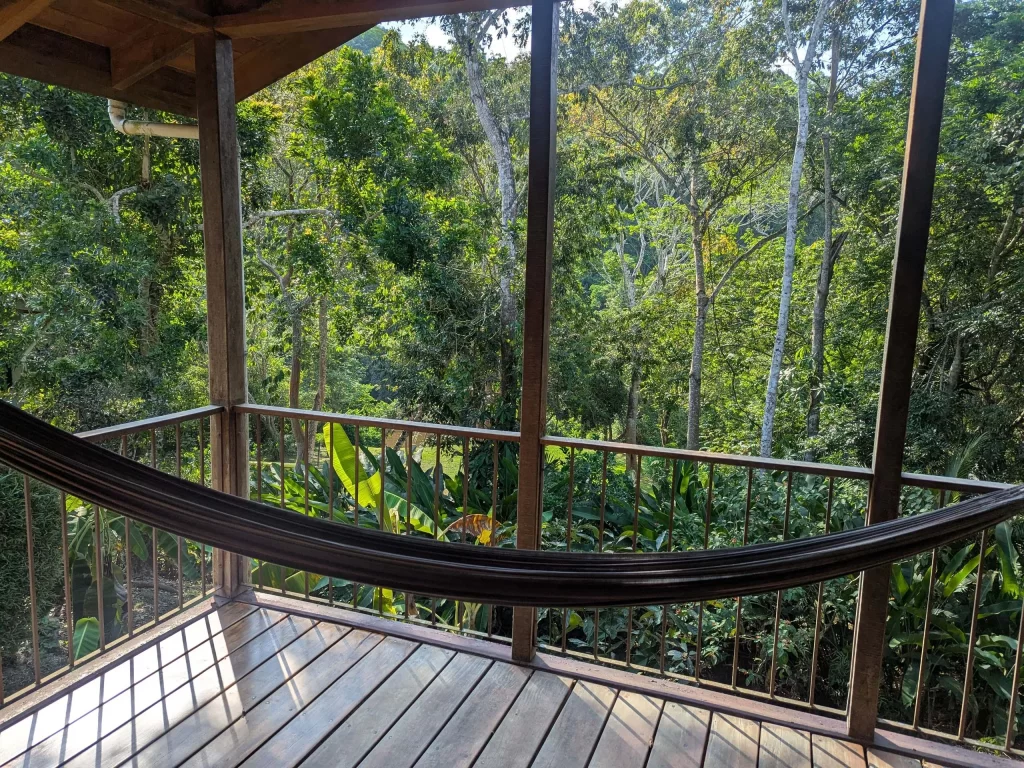
Imagine this: A hammock on a patio surrounded by jungle, overlooking a river 50 metres away. There’s a fat old man weighing the hammock down, but he doesn’t care. Peering through his binoculars he’s trying to find toucans, macaws, kinkajous (a sort of jungle racoon), tapirs or howler monkeys. He is so relaxed, so immersed, that he can’t even bring himself to read a book.
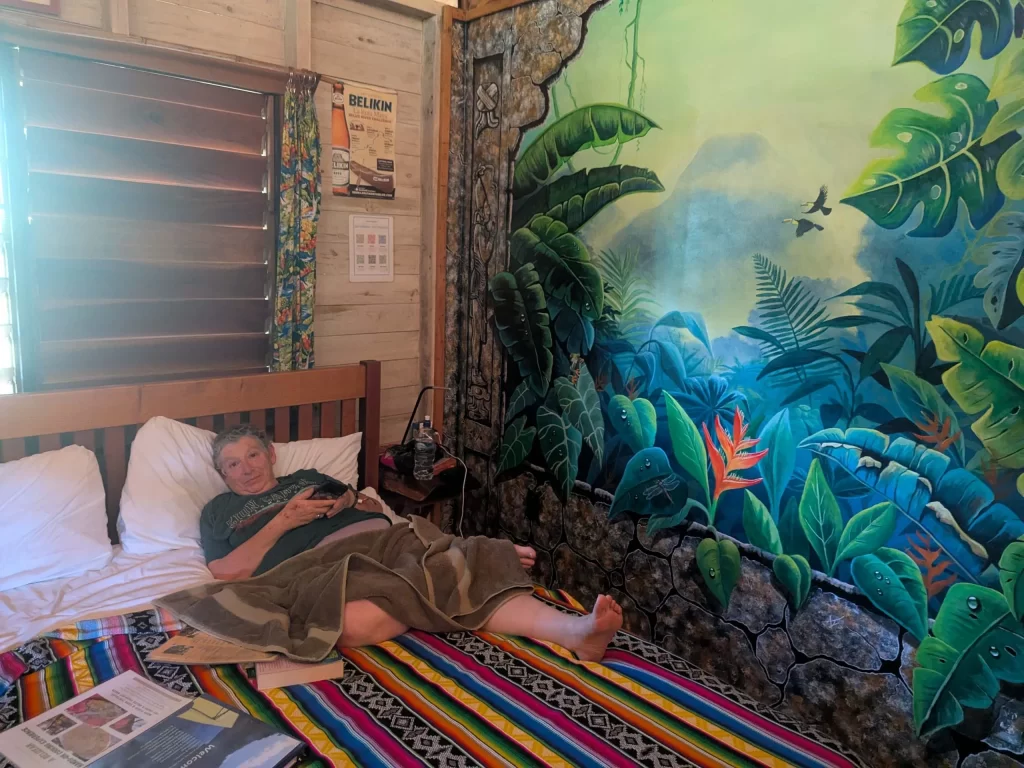
Imagine this: A woman is lying on a bed in a beautifully decorated, jungle themed bungalow. She can’t relax because when her husband booked the bungalow, he omitted to check whether there was air conditioning to relieve the 35° heat and the ceiling fan was succeeding in merely circulating hot air. And he was lying on a hammock on the patio, oblivious to the 35° heat.
But I’m getting ahead of myself, as I sometimes do.
We landed at Philip. S.Goldson International Airport in Belize city and were greeted by our driver who would take us to our accommodation in the village of Cristo Rey, near the small town of San Ignacio, which is actually Belize’s second largest city. Belize is almost exactly the same miniscule size as Israel but with a population of only 450,000 people. Cities are not really a thing in Belize.
On the hour and a half journey to the Lucky Dreamer Lodge we had our first observations of two subjects that would be re-occurring in our time in Belize.
- Is Belize a Third World or a Developing Country?
- Belize does tourism very well.
The two are connected.
Any Melbournians old enough to remember the pre-Tullamarine, Essendon Airport days would have had a knowing smile upon landing at Belize’s gateway to the world. Others, well just imagine a 1950’s regional airport in 2000’s clothing. Distinctly third world.
Belize’s main road, the George Price Highway, links Belize City, the country’s largest “metropolitan area” for one of a better term, to San Ignacio, at 20,000 inhabitants, the country’s second largest “city”. It is a two lane country road, where picking what side of the road you wanted to drive on was a matter of choice. That’s two points in favour of Third World. But that’s almost as Third World as we experienced. The road itself was very well maintained, as were almost all the roads in Belize. Not a pot-hole in sight. And does a country of only 400,00 inhabitants really need a 4 lane, split highway that the Chinese are trying so hard to convince weaker countries that they need, as part of its Belt and Road Initiative which sends so many countries into unnecessary debt? Our driver told us that Taiwan is actually Belize’s most important trade partner and benefactor. Strike one up for a Developing Country with careful, or at least thoughful planning
Barely two hours after landing, we arrived to our jungle lodge. (the Lucky Dreamer Lodge – highly recommended) Heaven. Heaven that was as hot as Hell.
I quickly rolled into the hammock on the porch, binoculars in hand, just soaking up the ambience. But after an hour or so, there was only so much relaxing in a hammock that I could take, and the heat was, well, hot, so I decided to take a dip in the river below our hut.
The river was slow flowing and a murky brown colour, but the water itself was crystal clear and refreshing. I assume that the riverbed is made of clay or some other brown soil that prevented the reflection of the blue sky. It was a little dissociative to dive into a brown coloured river whose water is so clean and refreshing.
Because of the dissonance between colour and clarity and me wanting to be able to see where I was and where I was going, I dived into the slow running river with my glasses on. I surfaced with my glasses off. Fuck, shit, fuck, fuck. On the first day of a twenty two day holiday that included my son’s wedding, I’d lost my glasses. I figured they couldn’t have gone far as the river was very slow running so I retraced my steps, combed the bottom of the river, which was thankfully only thigh deep, returned to the point where I had dived, retraced again, and went further downstream in case they’d been swept away. Nada. I was doing all this with about 30% Mr Magoo vision, which is about how much I can see without my glasses. I’m almost legally blind without my specs. After twenty minutes of blind and hopeless searching I decided to do one last dredge, trying to work out what I was going to say to Susan and how I was going to cope over the next three weeks. And lo and behold, I miraculously stumbled upon the glasses, resting on the bottom of the stream. More luck than brains, that’s for sure. Relief doesn’t even start to express what I felt.
It had been almost 24 hours since we’d left our home on Tuval in Israel. It was really hot, even for me and we were exhausted. By about 8 o’clock we were ready to collapse. But something grabbed my attention, preventing me from instantly falling asleep.
I have a pretty broad range of musical tastes but I rarely listen to classical music and certainly don’t fall into the rapture that classical music buffs reserve for Beethoven, Mahler and the likes. But here in Cristo Rey I was hypnotized by The Belizean Jungle Rhapsody. I had never heard crickets chirping as loudly as this. Add to the symphony croaking frogs, many different birds singing in a different pitch, other unidentified animals, perhaps mammals, perhaps not, contributing a bass line and something else, I think a woodpecker, irrhythmically adding a knocking sound. It was quite unbelievable. Try imagining it. You can’t.
********************************************************************************************************************************************
We were visiting this area of Belize, near the Guatemalan border, as it would allow us to check two items off our bucket list; Jungles and Mayan ruins. Today we were about to add another item to the bucket list. Cave tubing.
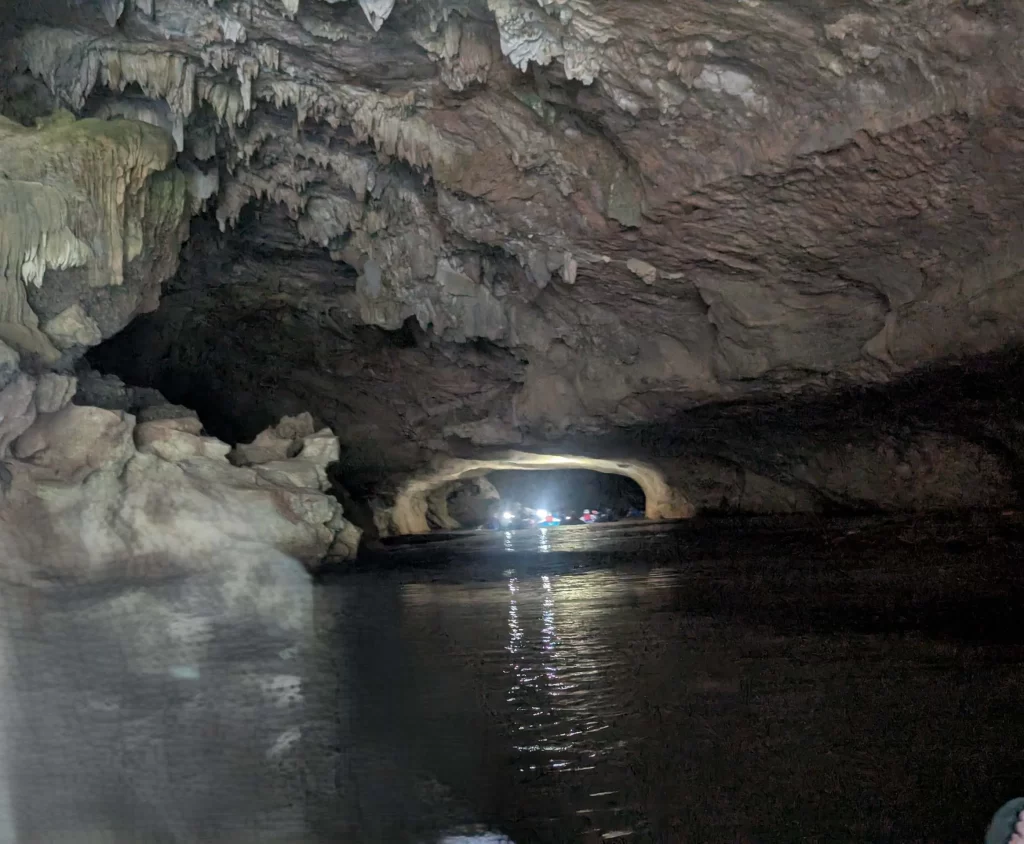
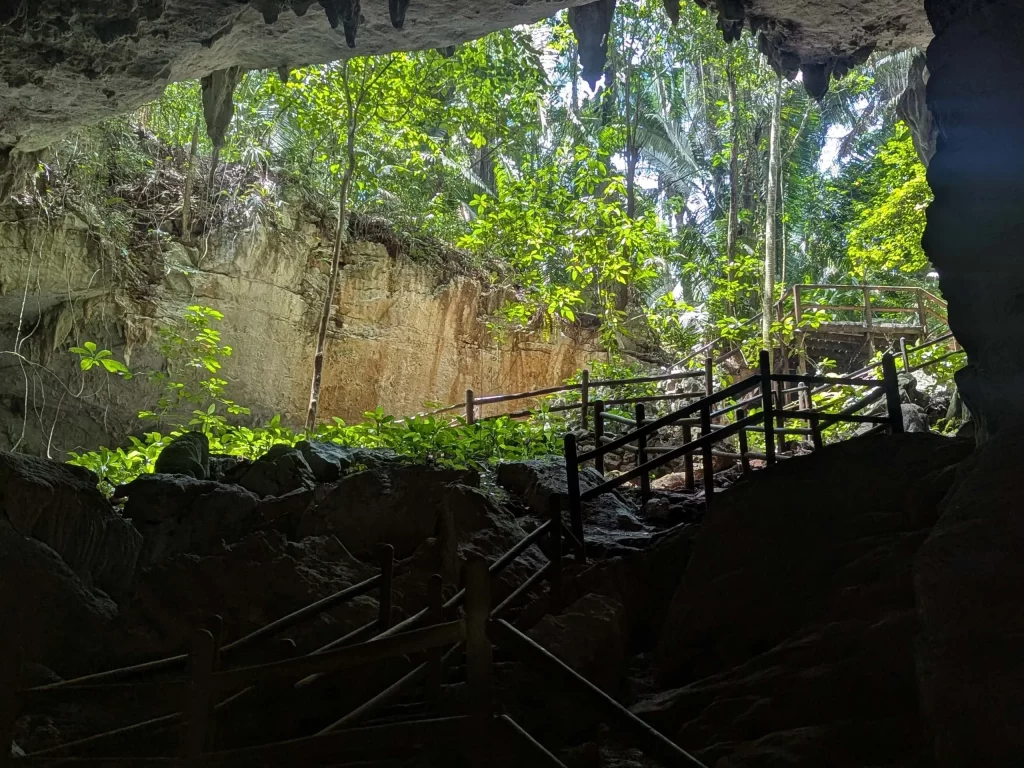
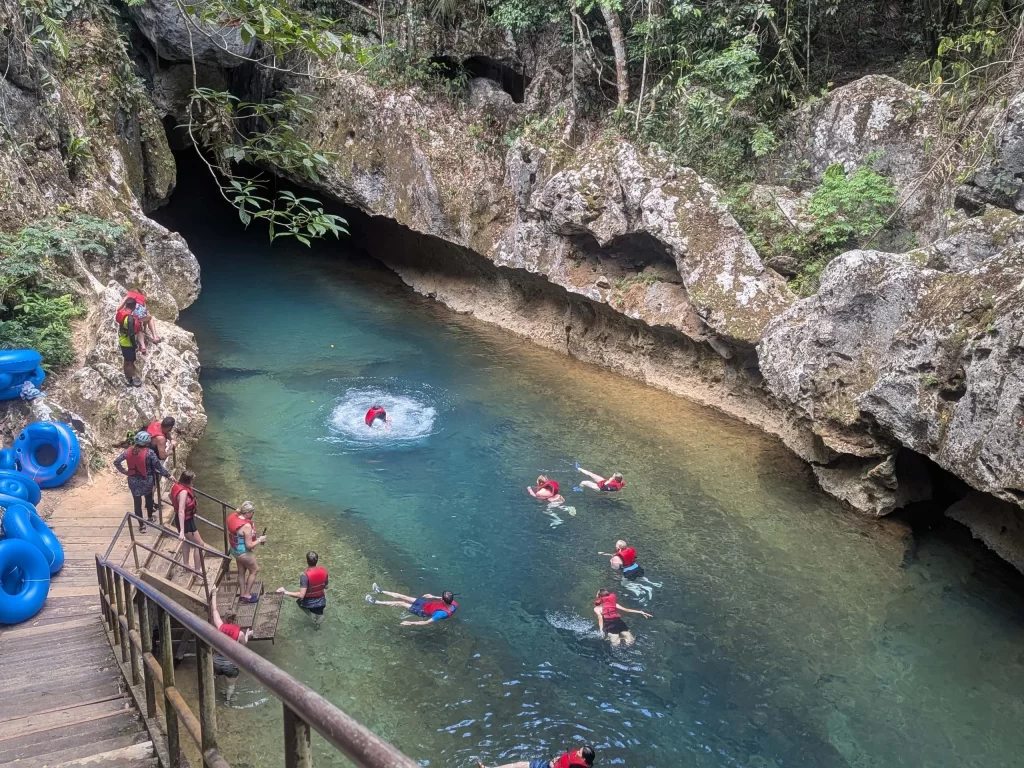
Imagine this: Gently floating down a river in a giant tube. Most of the time the river passes through a long cave. When you aren’t paddling through the cave, you are surrounded by thick jungle.
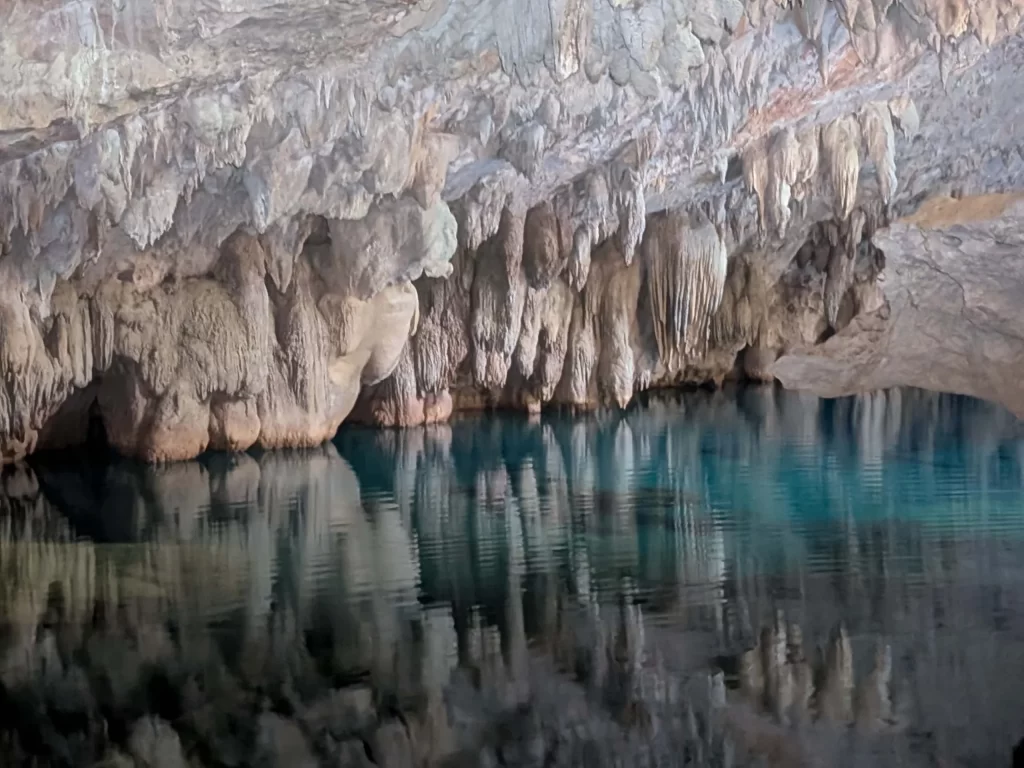
Belize’s mix of eco and adventure tourism makes it the perfect playground for young tourists…and idiots who don’t realise they aren’t 25 years old anymore, together with their long suffering wives. So there we were, Paul, Susan and 16 other twenty-somethings preparing to walk along a jungle path, carrying large inflated tubes (we got porters to shlep ours) to a water hole. We would then jump into the water, ungracefully hall ourselves onto the tubes and float down the river inside a cave. The cave had stalagtites dropping from the roof, bats and birds flying through, weird rock formations and ancient Maya ceremonial sites. Occasionally we would stop, get out of our tubes so our guides could explain to us about the Maya beliefs or the geology of the cave system. At other times we would swim in the cool water. This is an experience that you might see in a National Geographic doco and dream about one day doing yourself. And it’s actually even better in real life than it looks on the TV.
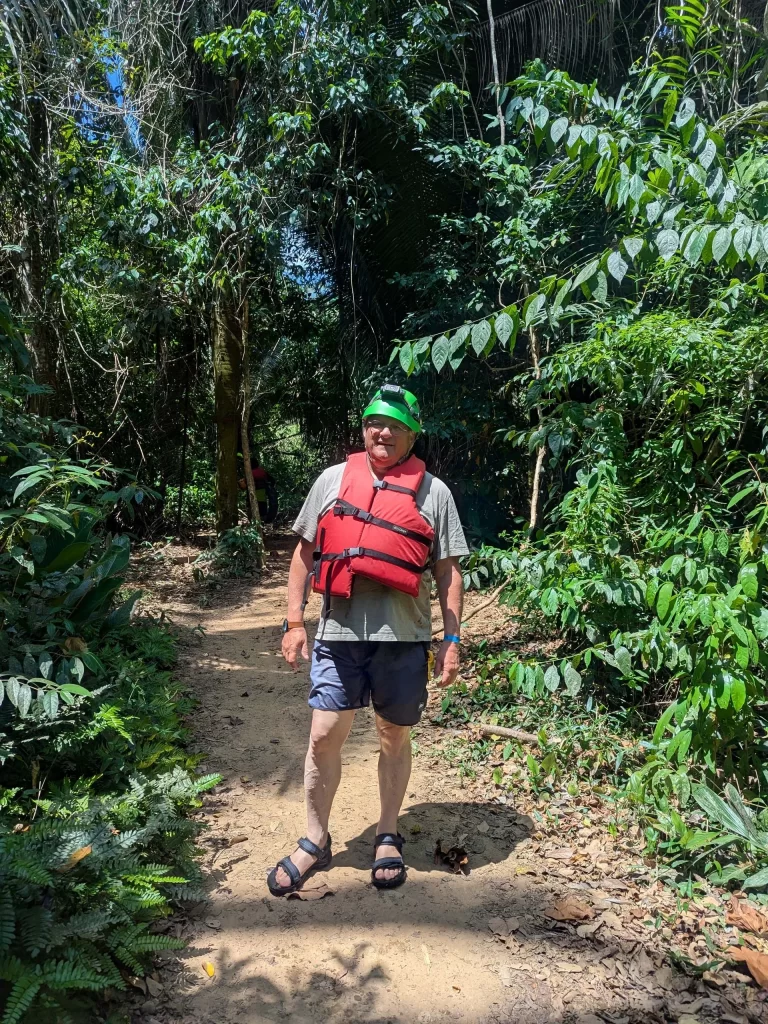
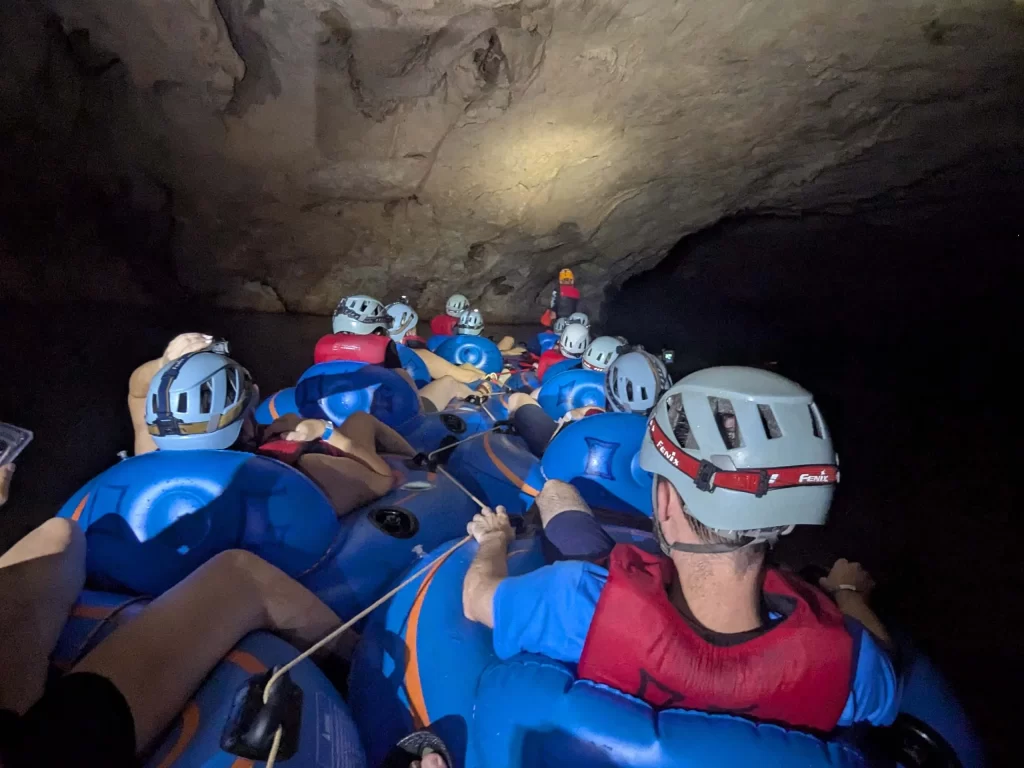
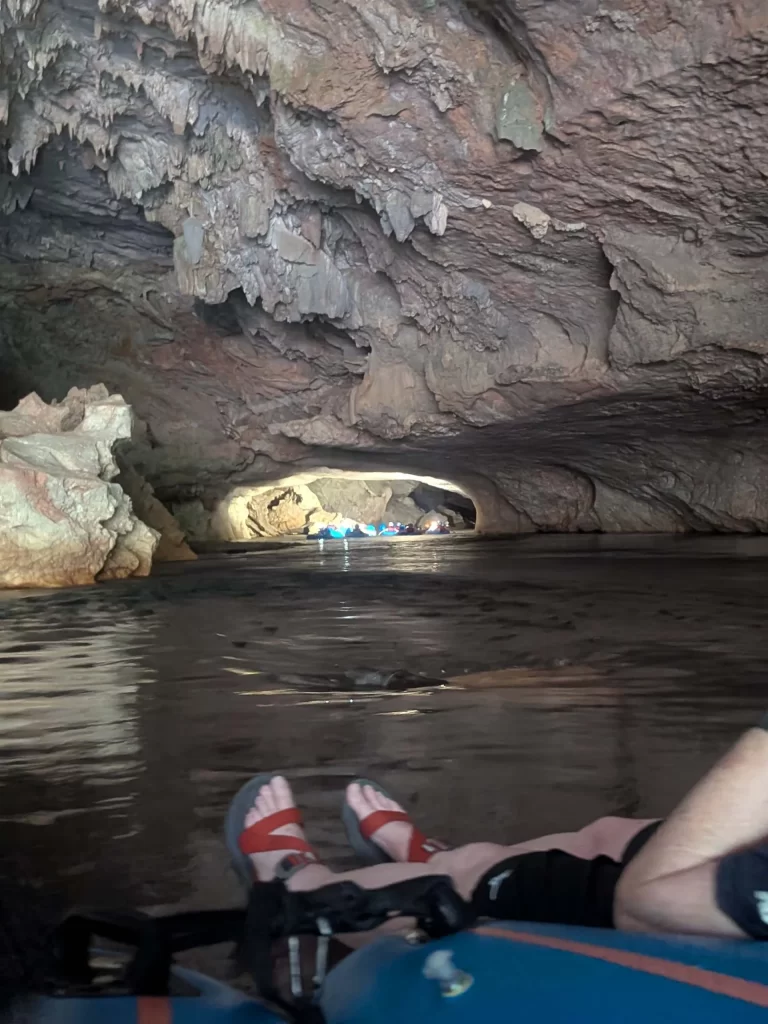
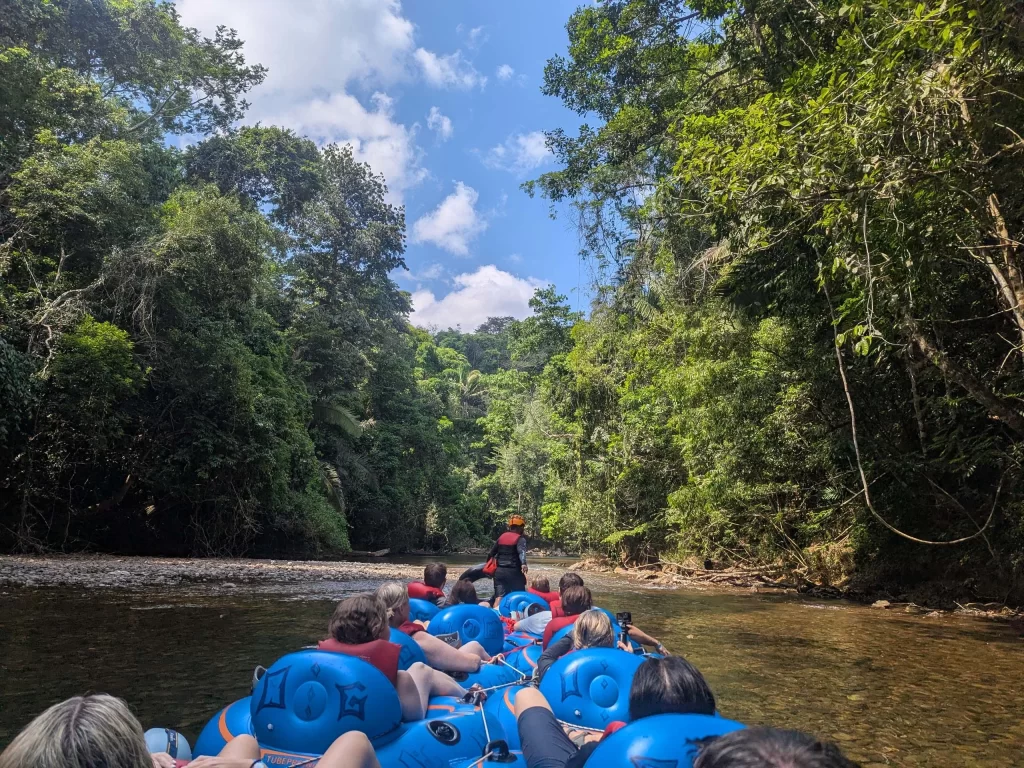
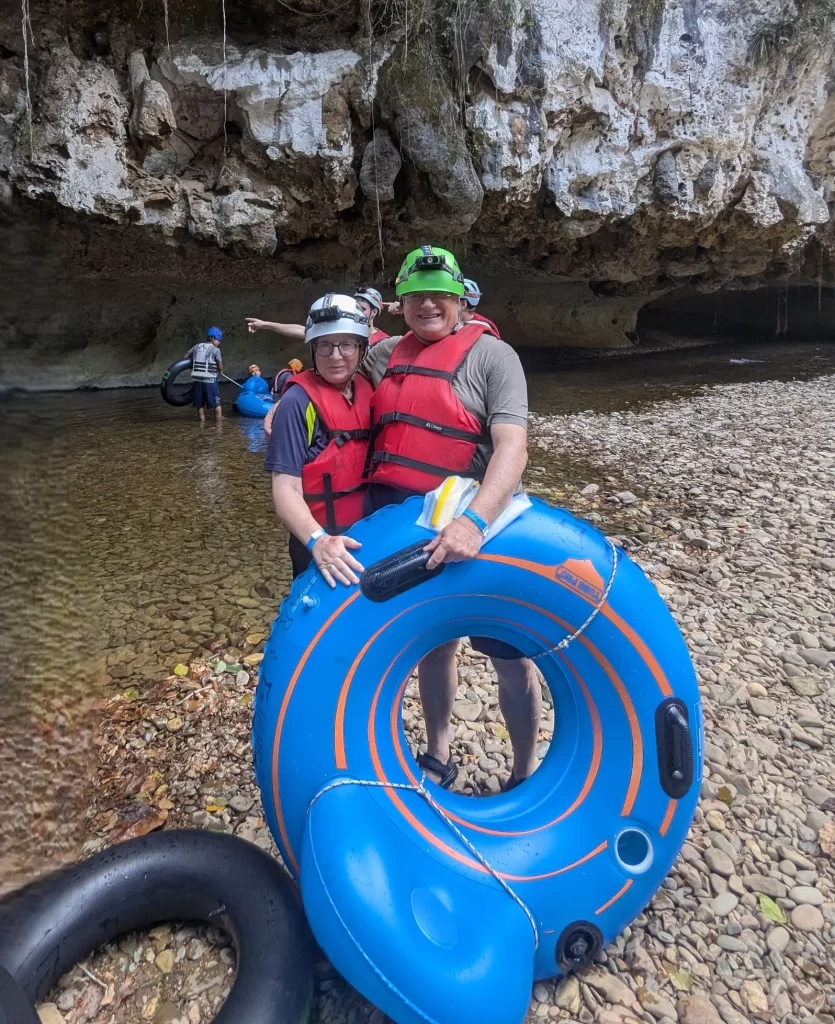
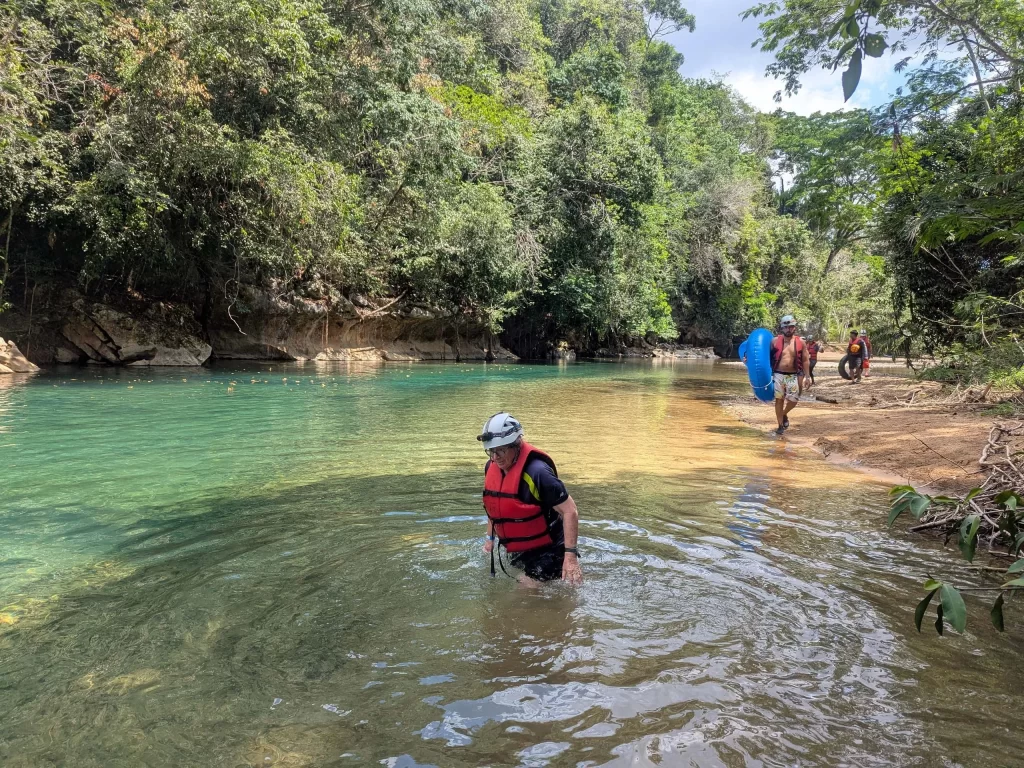
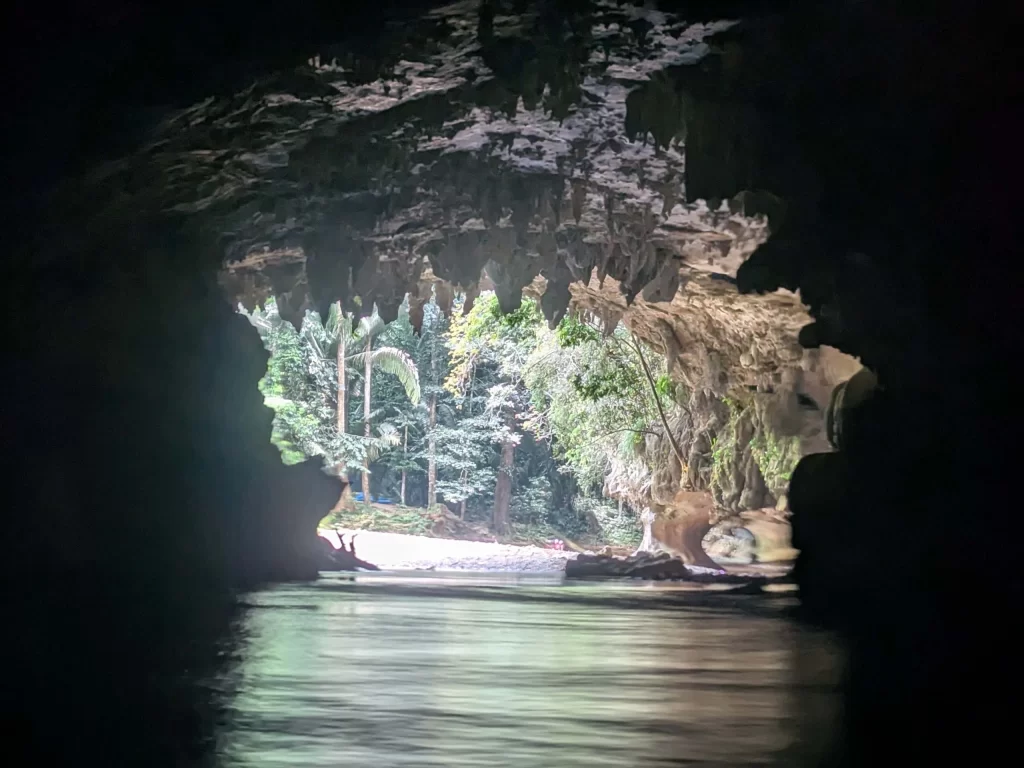
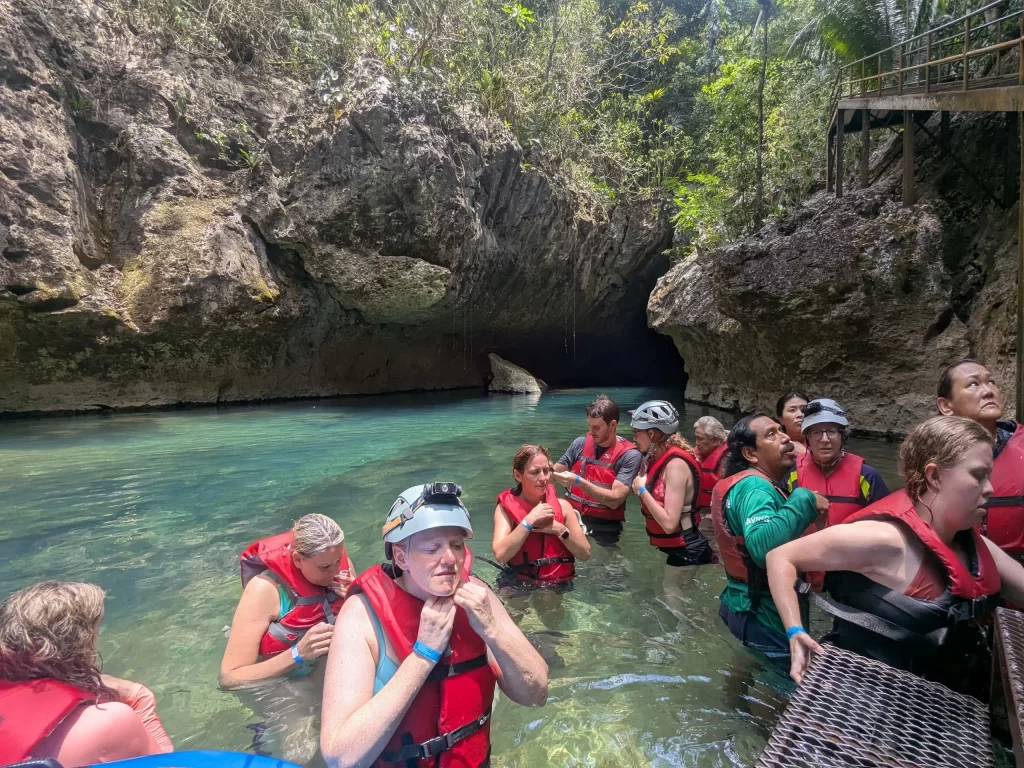
We’d been in Belize barely 24 hours and once again we’d seen tourism done right. An eight o’clock pick-up from our lodge is eight o’clock. Rules about wearing life vests and helmets at all times are strictly adhered to. Everything that is promised on the tour is delivered. This is no fly-by-night-and-hope-for-the-best setup.
It was very noticeable that whilst English is the Belizean national language, out here in Western Belize, the Mestizo (mixed Mayan and Spanish cultures) is prominent. Our guides spoke Spanish as their mother tongue and were fluent in Mayan. We learnt that for such a tiny population, Belize is a fascinating mix of distinct cultures; English, Mayan, Mestizo, Spanish, Kriol (Belizean broken English Creole) and Garifuna. And there seems to be no effort or intention to meld the 400,000 people into one culture.
We arrived back to our lodge at 5.30 and were so exhausted that we decided to take a short rest. The “short rest” ended at 6 a.m. the next morning, when we had to get ready for our day tour of the Mayan ruins of Caracol.
*******************************************************************************************************************************************
Imagine this: Exploring an ancient Mayan city, hidden by the jungle, including climbing a 50 metre high pyramid which is the tallest structure in all of Belize.
Like yesterday, a seven thirty pickup is as accurate as a Swiss clock. Leo, one of the guides from yesterday’s tubing expedition was our guide and driver today to the ancient Mayan ruins of Caracol, which are the largest in Belize. I haven’t always taken a guided tour when visiting ancient or culturally significant sites and in retrospect, this is a colossal mistake. Leo not only imparted invaluable insights into Caracol itself and the ancient Mayan culture, but as a proud Mayan man, he shared his very personal views about modern Belize and Mayan life today, in an unfiltered and open manner.
Since we spent almost a whole day at Caracol, I’m going to have to share a little of what we learnt. You can skip to the bottom of the paragraph if you’re not interested in the history lesson.
The Maya civilization started around 2000 BC but reached its peak between the 3rd to 10th century AD. It wasn’t a kingdom or empire, rather a collection of city-states with common language and religion. It was a very advanced civilization, especially in the sphere of medicine, architecture and astrology. They also practiced pretty gruesome bloodletting and human sacrifice. Caracol was an important centre for the lowland Maya and at its peak, the city-state covered over 200 km² and had as many as 200,000 inhabitants. It fell in the 11th century, the jungle grew over it and was only rediscovered in 1932. It continues to be excavated, but the main temple and the surrounding temples and living quarters have been very well preserved and restored.
That’s it in a nutshell. I’m generally not a big history buff, but the hours we spent there with Leo were fascinating. There is no doubt that if we had gone by ourselves, we would have seen an interesting pile of rocks. With a guide, we understood what we were seeing and the context of the society. We also learnt from Leo that whilst Belize is a free democracy, there really weren’t any good choices in the recent election, a malaise that seems to affect almost all democracies today and that despite the disparate ethnic groups in the country there was no one group that was especially favored nor repressed.
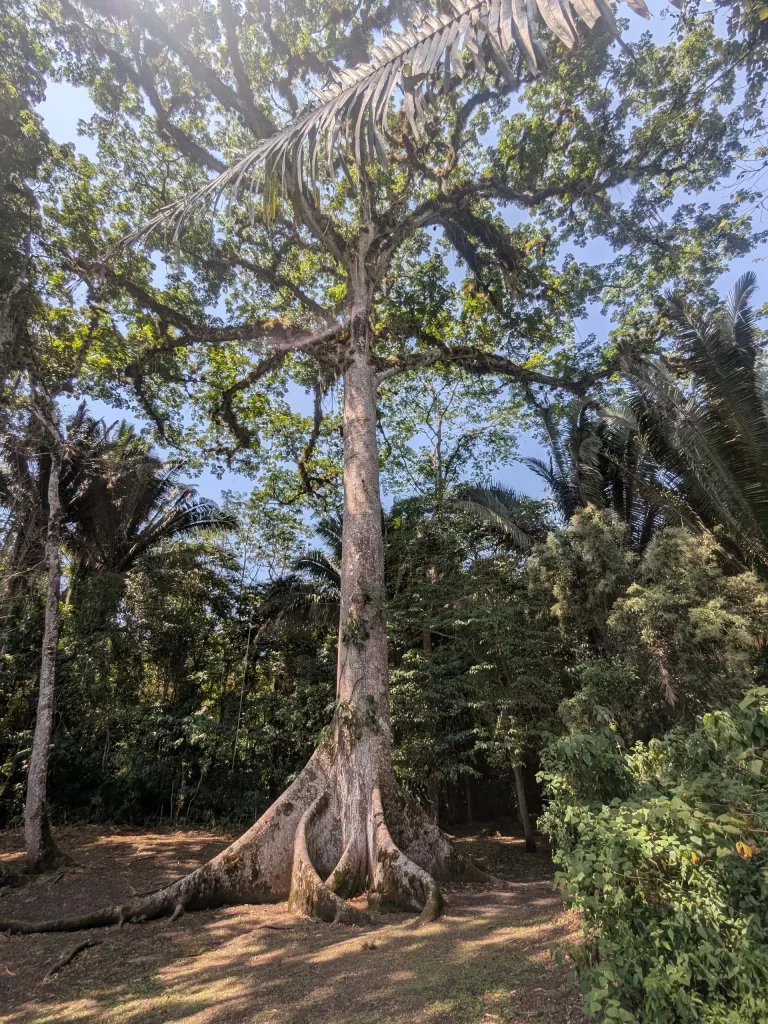
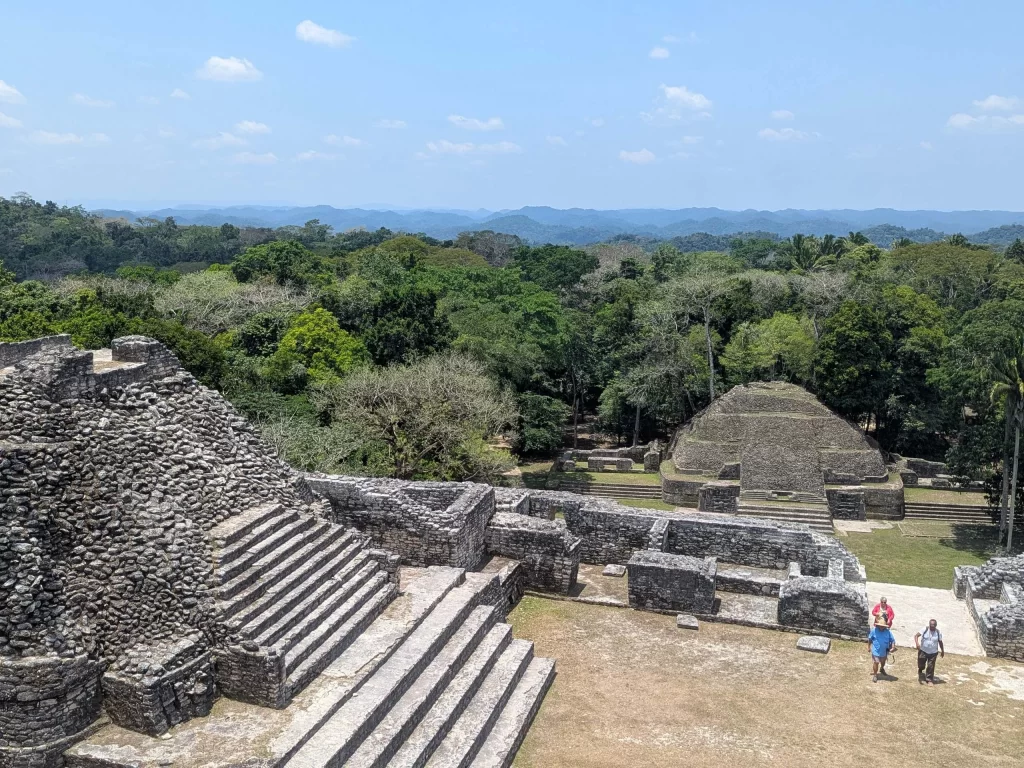
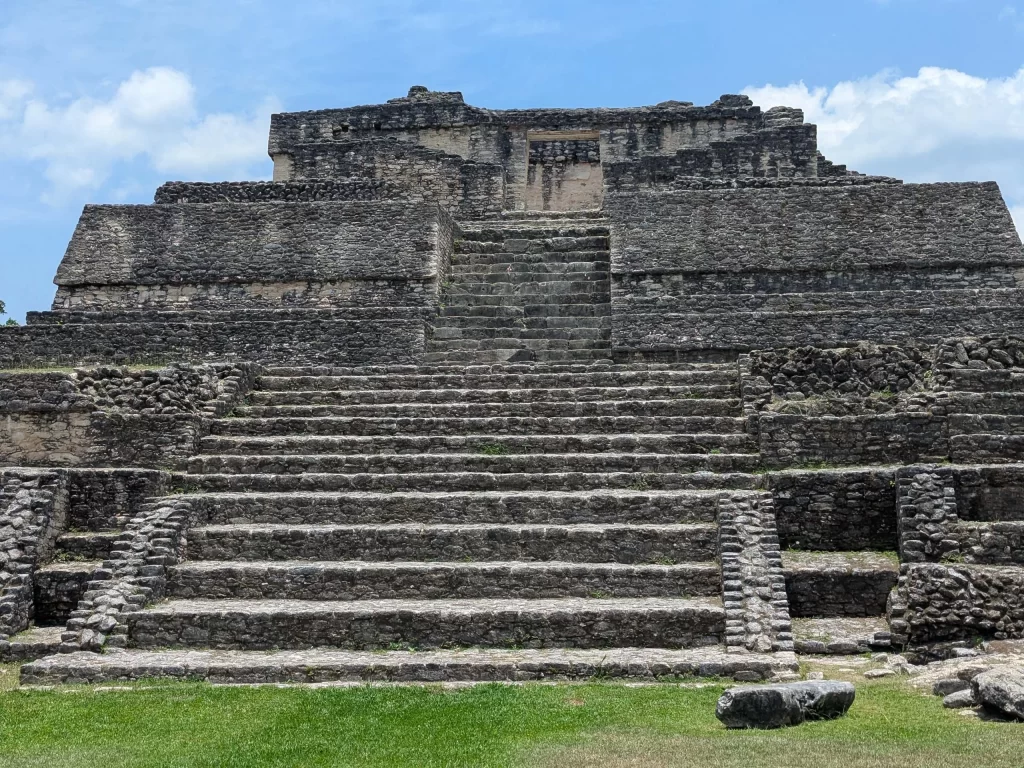
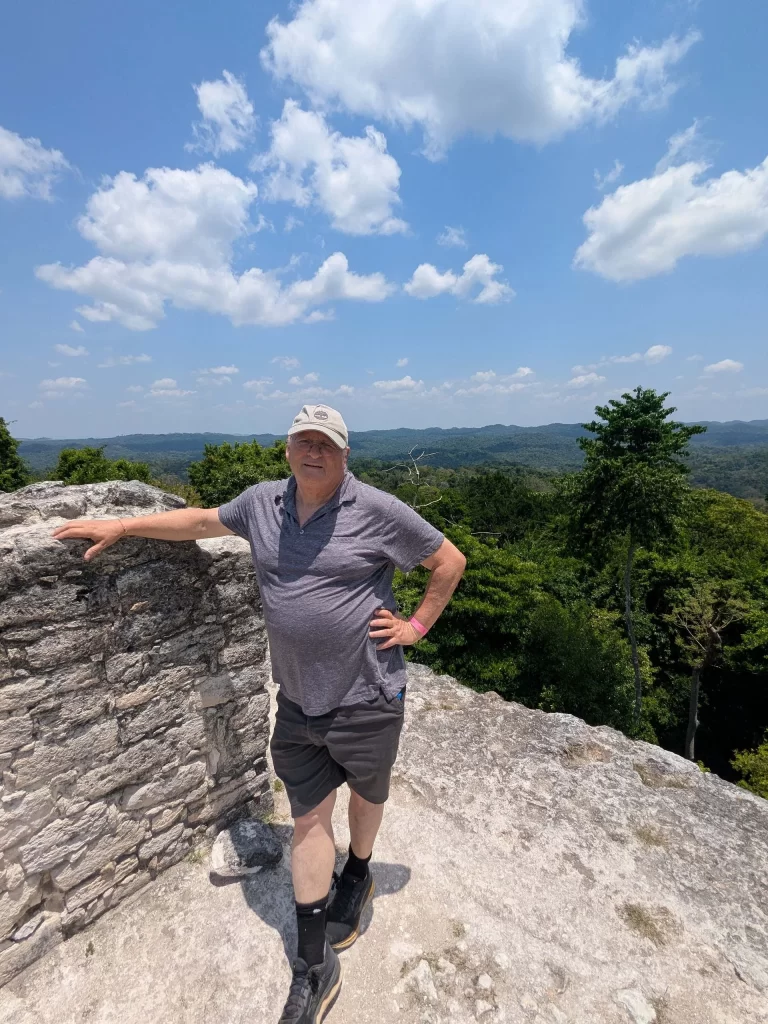
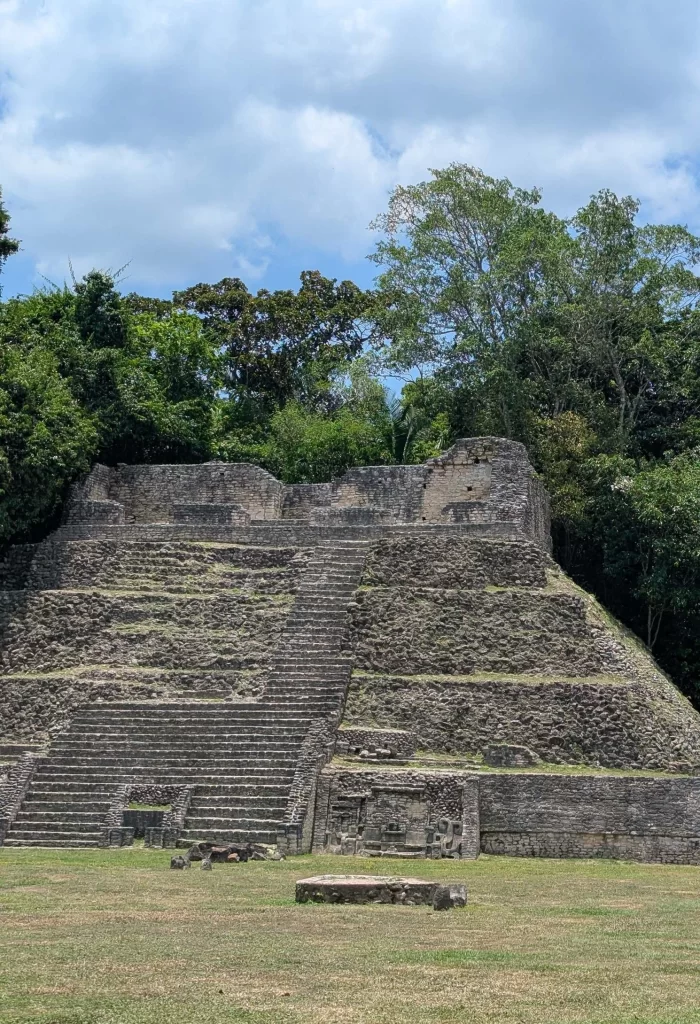
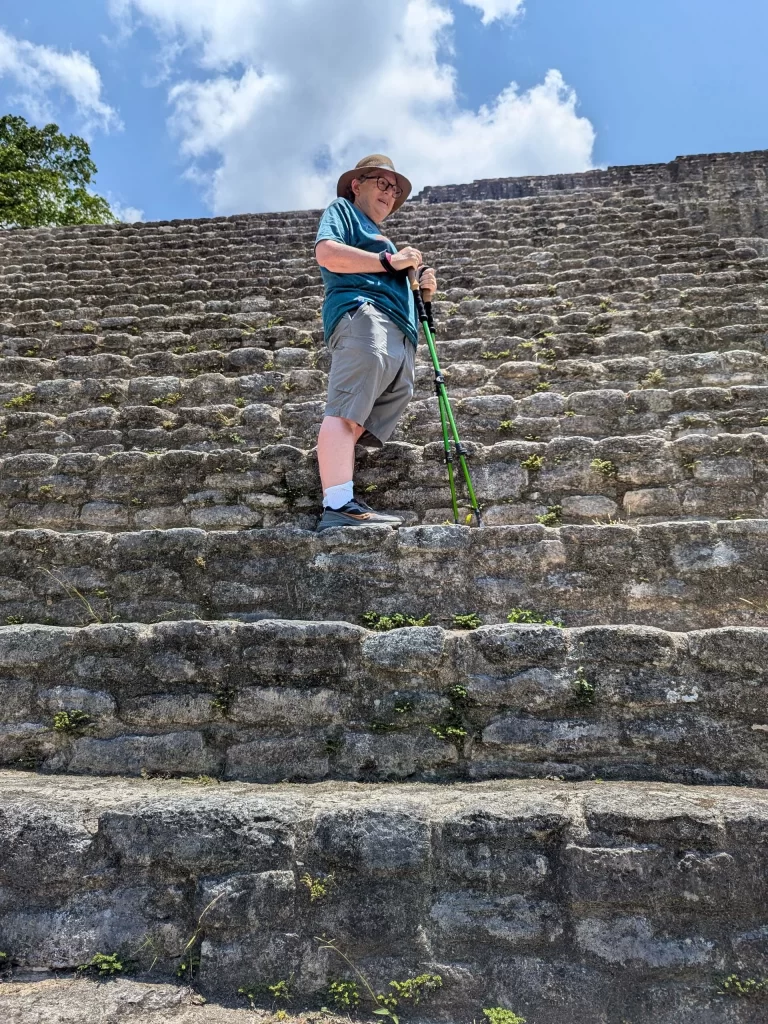
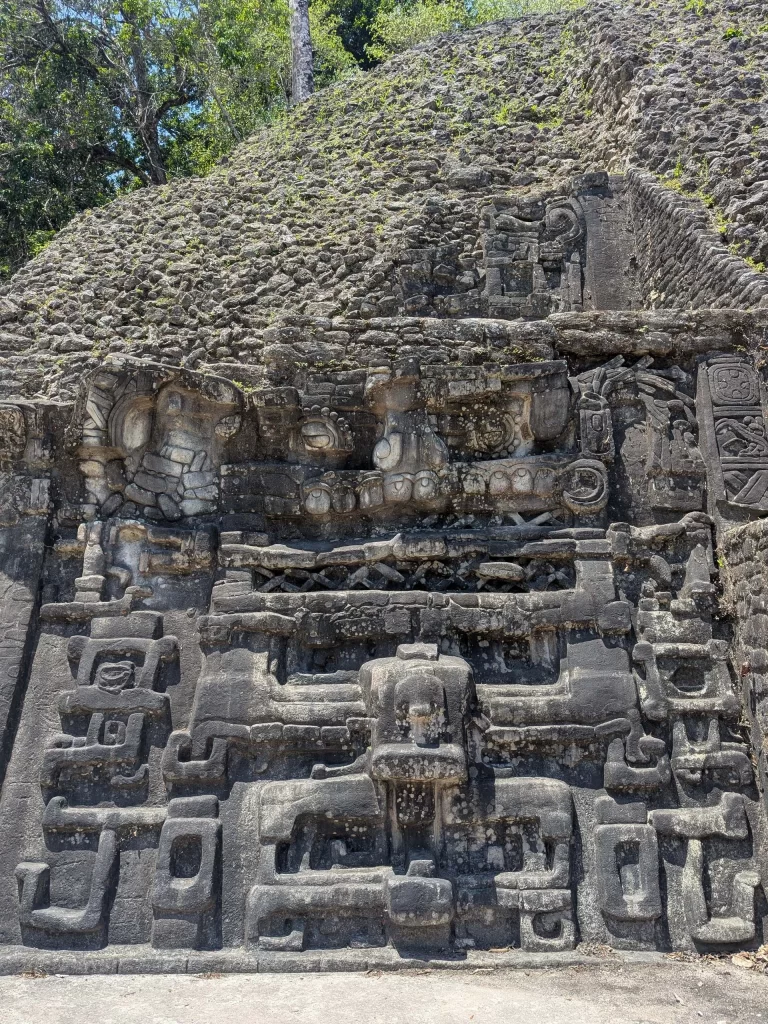
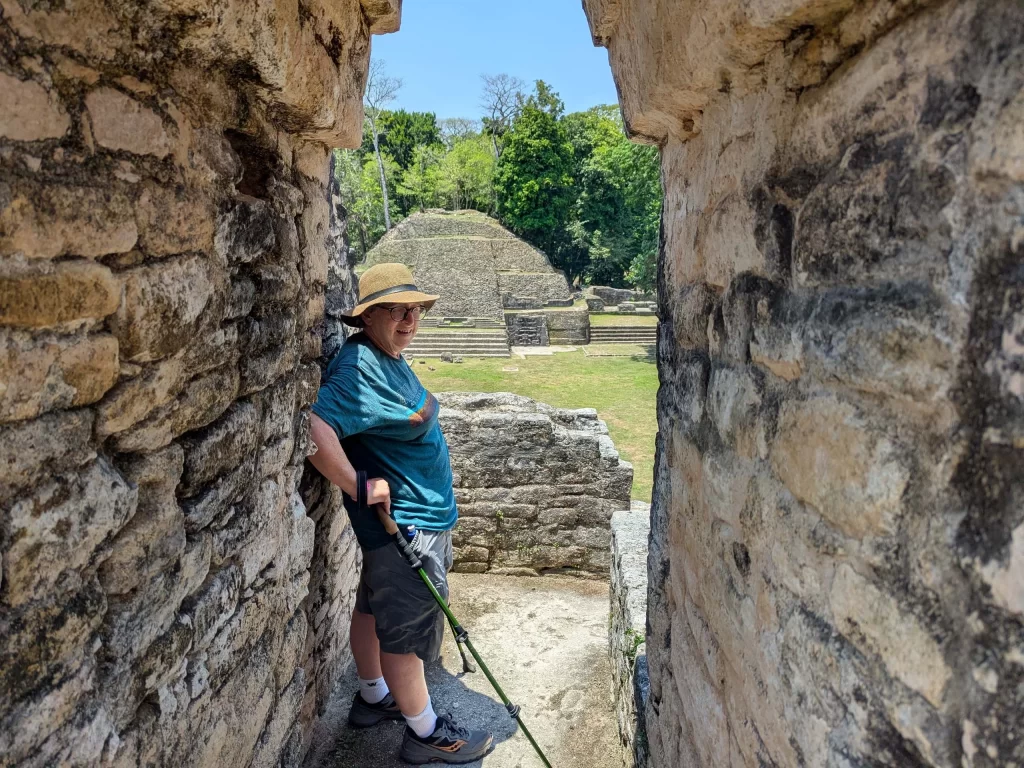
There is a new road being paved to Caracol, specifically to encourage tourism to the site. The Belizean government has seen how many tourists travel to Tikal, in Guatemala, which is perhaps the most famous Mayan ruins in the world. By building a proper road, cruise passengers can do a day trip from the coast, showing off more of the country and leaving more money in the local economy. Strike up another point in the developing country column.
Day trips shouldn’t be exclusively content-driven, cultural history expeditions. You gotta have some fun, too, if you know what I mean. So after a lunch of the Belizean staple; rice with beans, stew chicken, hot sauce and sweet coleslaw (you don’t come to Belize for a gourmet adventure), we stopped off at the Rio On Pools. There are about eight natural rock pools with waterfalls that you can sit under and get a natural water massage. Getting between the pools took a small amount of wading, waddling or straddling and I’m sure Leo must have been very amused observing the two beached walruses trying ungracefully to pass from one pool to the next. Our pride was a small price to pay for sitting in these refreshing pools to gain relief from the heat.
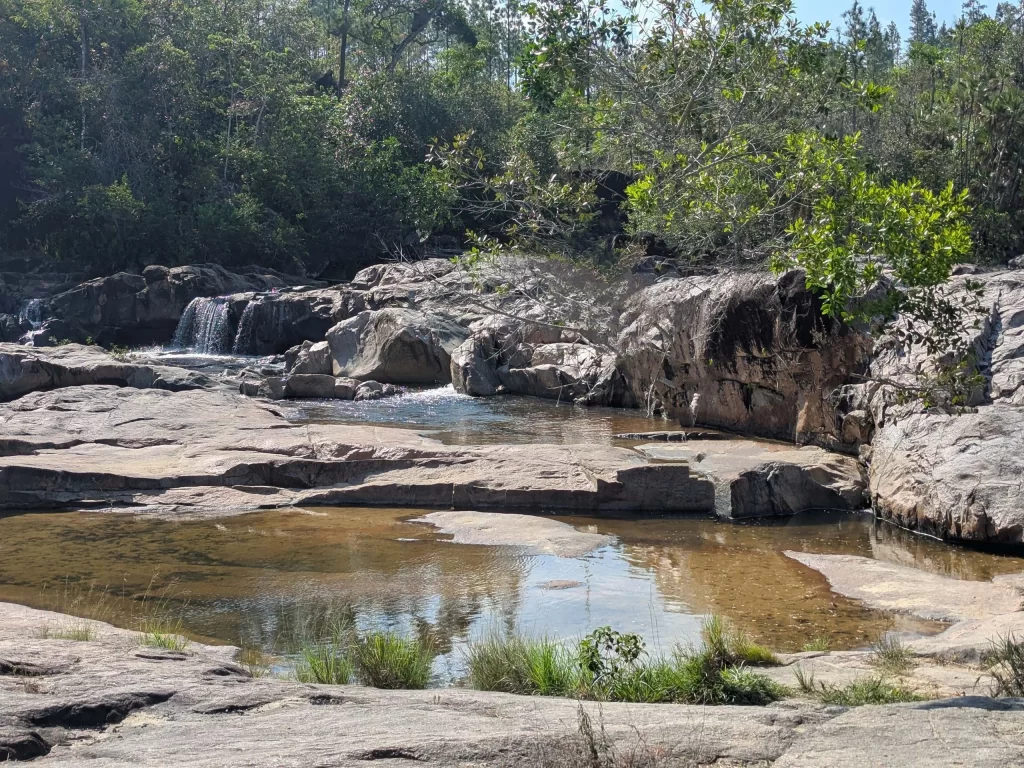
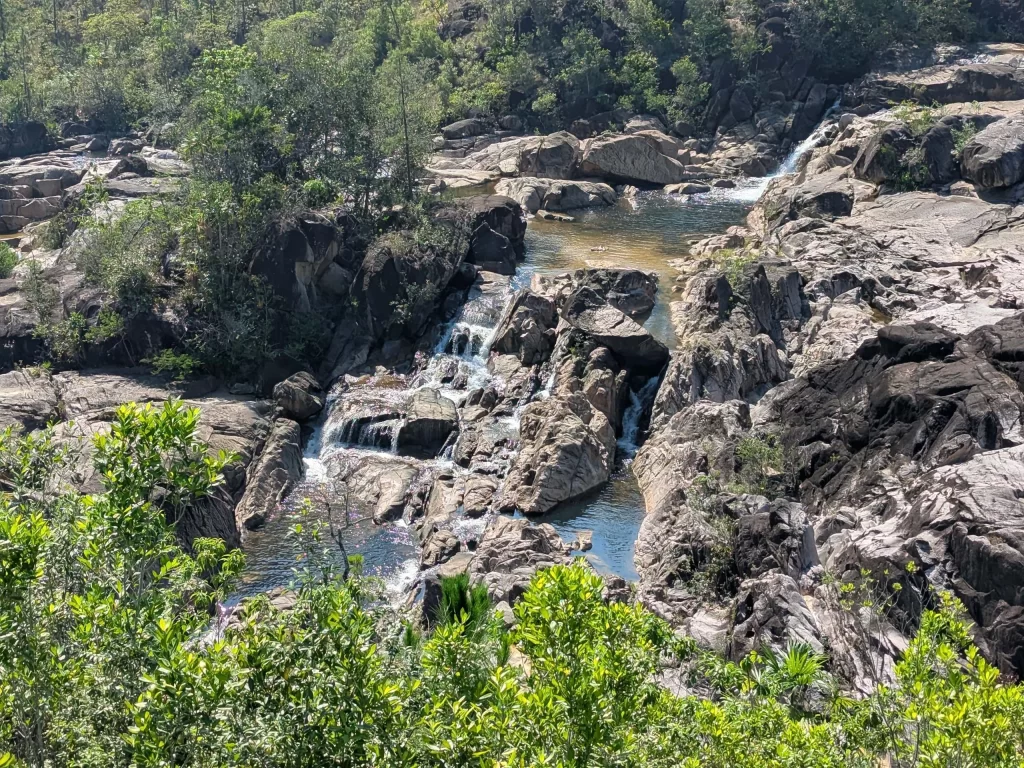
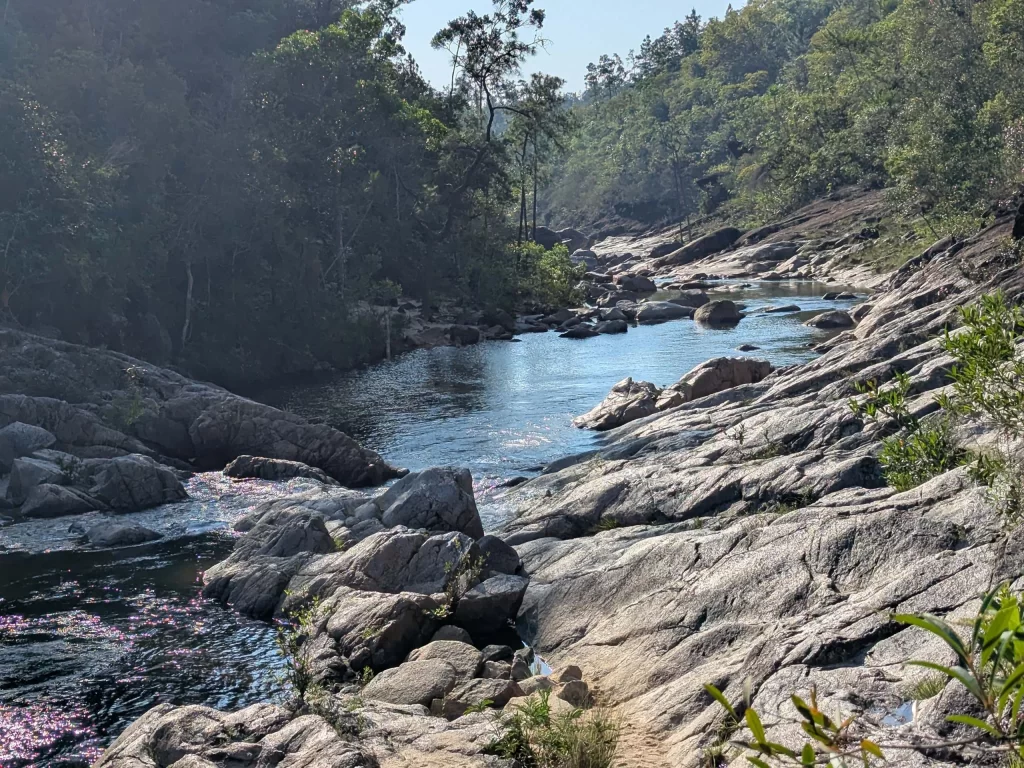
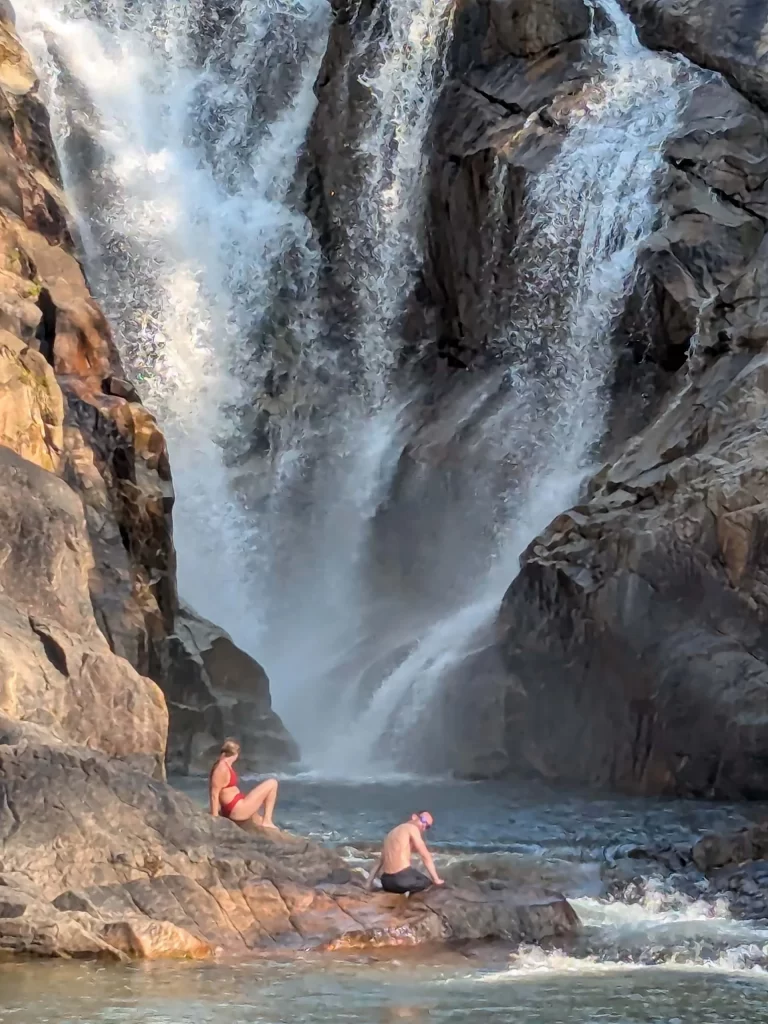
We had one last stop before being returned to our accommodation in Cristo Rey. Ben, the third passenger on our day trip, wanted to see the Thousand Foot Falls, which drop about 300 feet down a cliff. It appears someone got feet and yards mixed up. Leo warned us that the path was very steep, and if the falls didn’t actually drop a thousand feet, there was close to a thousand steps to go down and then go back up.
Susan sided with wisdom over valor. I’ve never been one to shirk a challenge, so Ben and I dropped down and down and down until we arrived to a set of very nice rock pools fed by a big waterfall. Yes. It was big, impressive and pretty. Was it bigger, more impressive and prettier than other waterfalls that I’ve seen elsewhere? Probably not. Was it worth sweating 10,000 calories ascending the thousand steps in 38° heat? Definitely not. I’m going to have to start to learn to take the hints, if not outright recommendations of local guides a bit more seriously.
*********************************************************************************************************************************
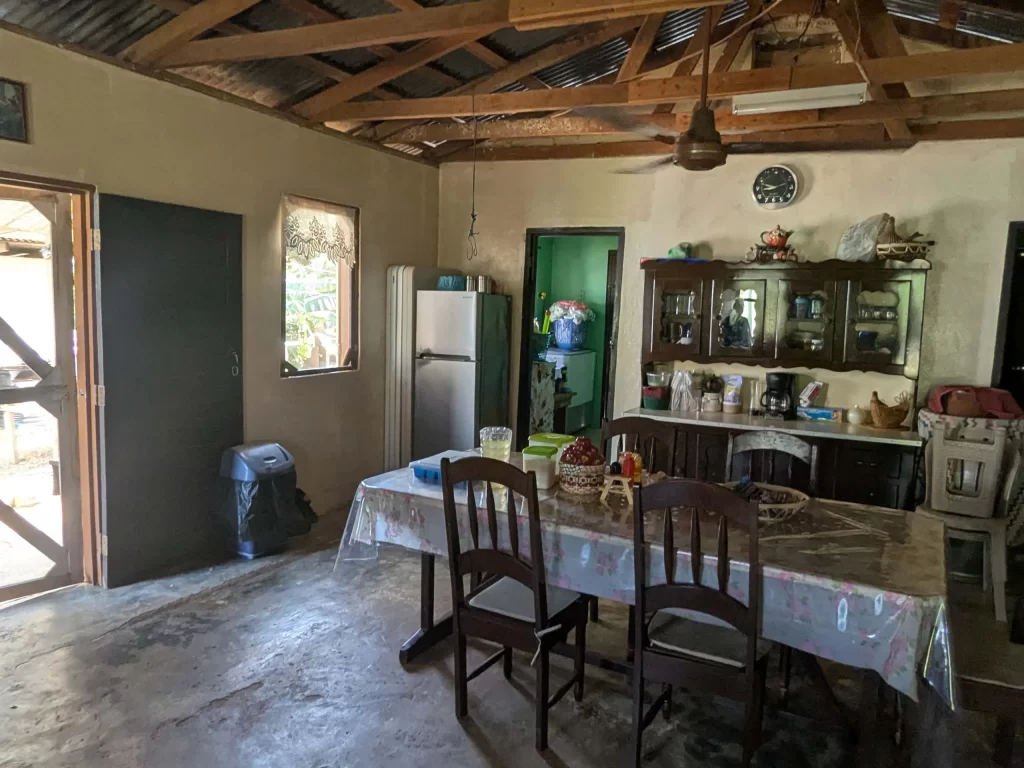
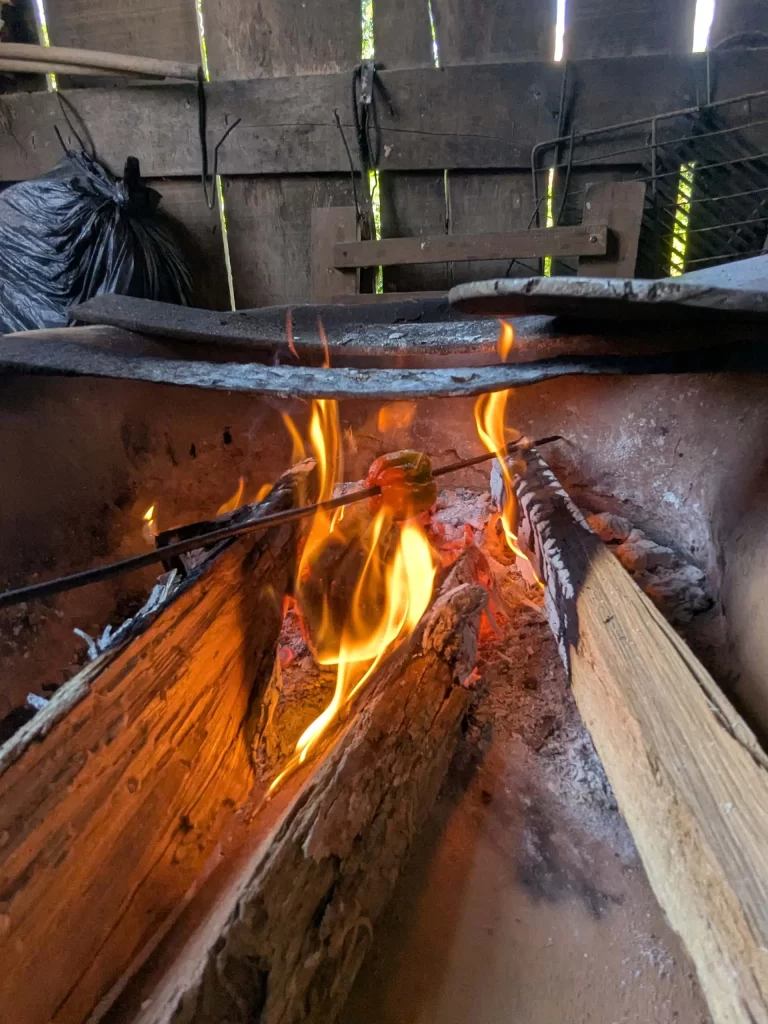
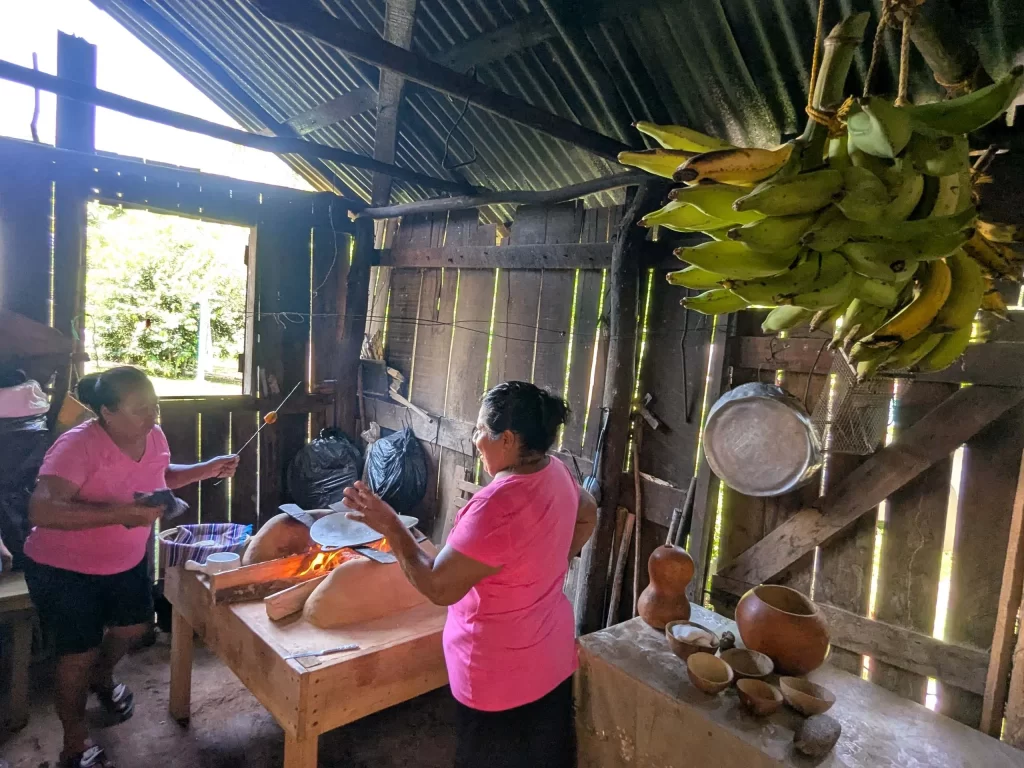
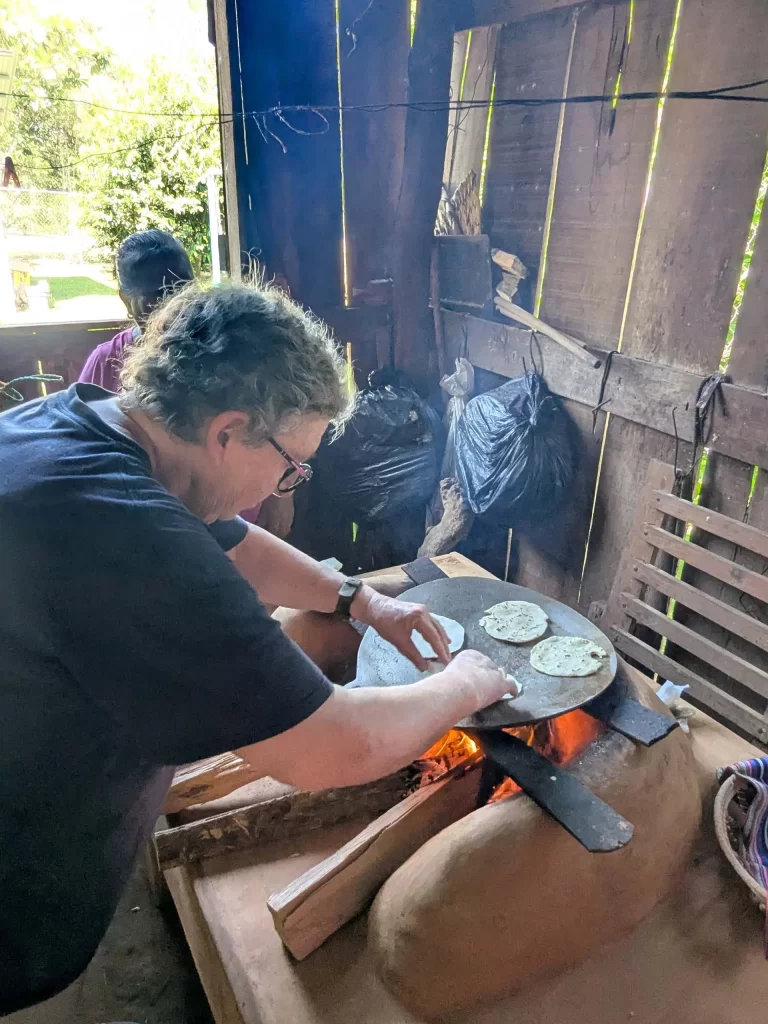
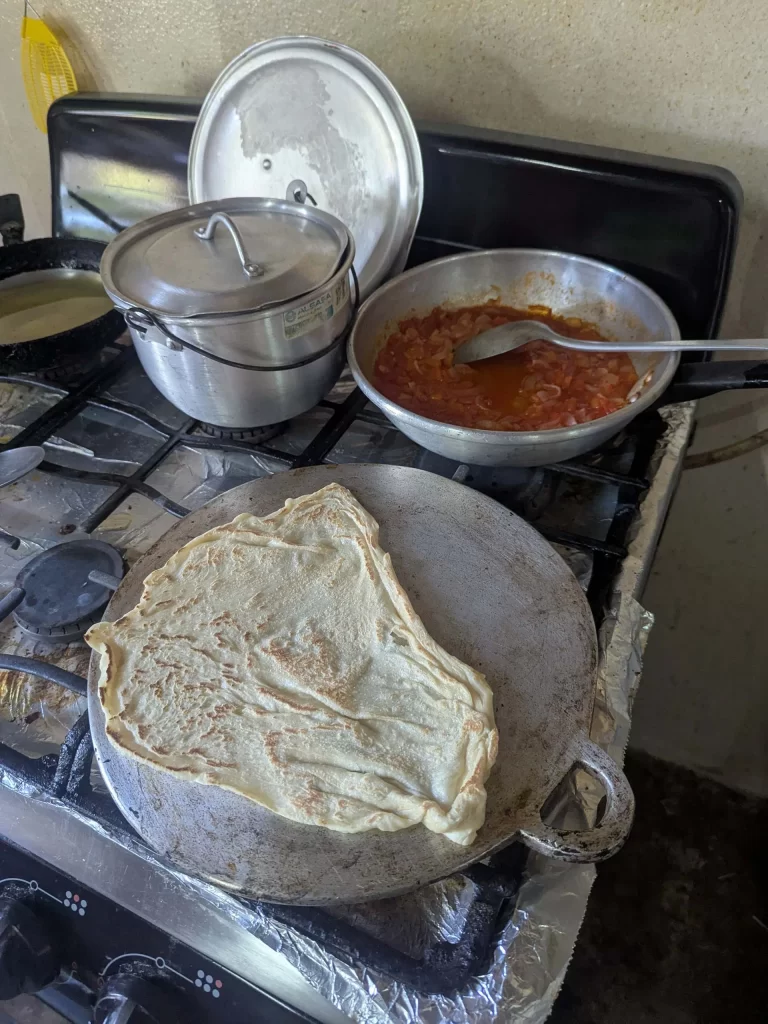
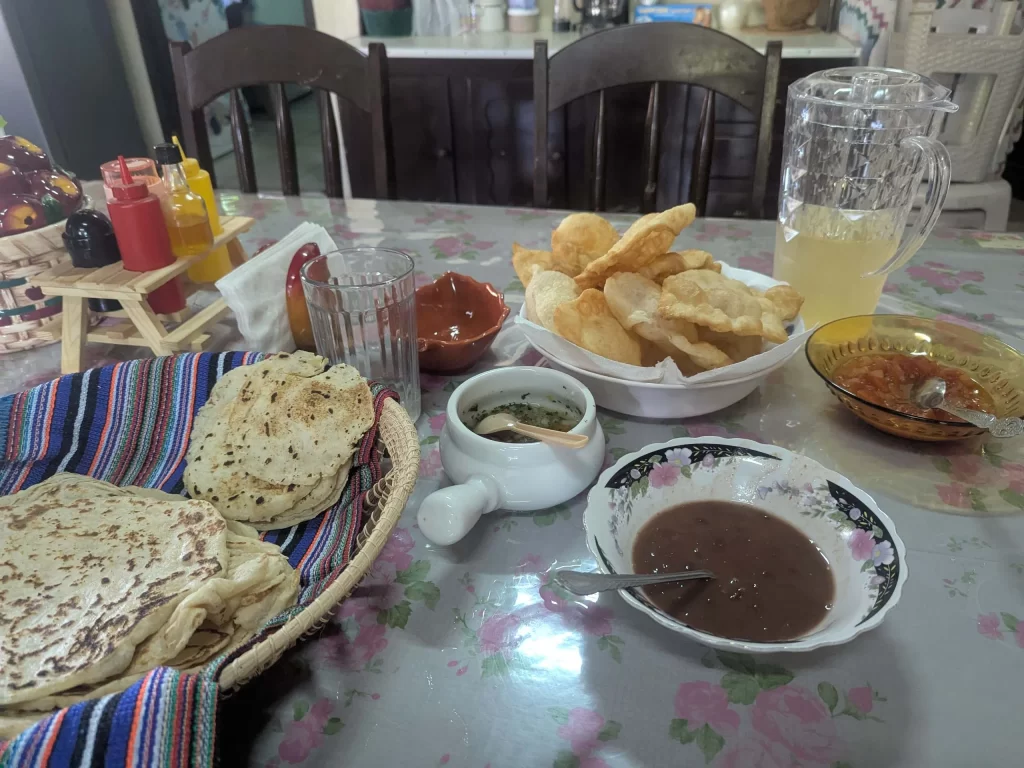
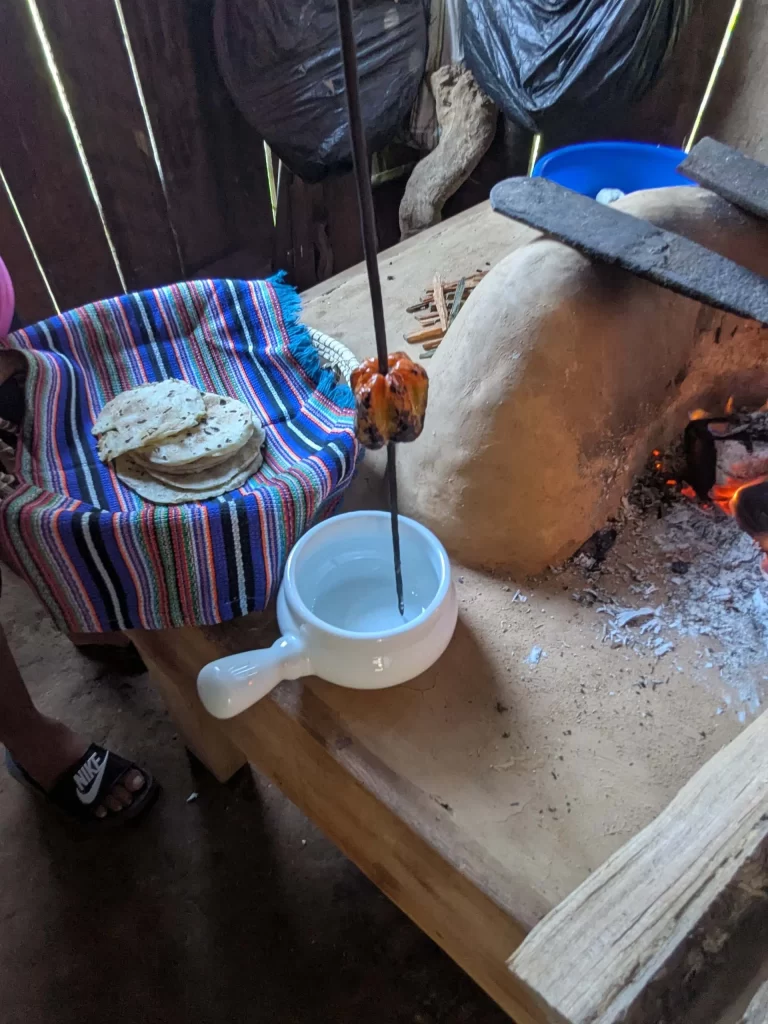
So far we’d had two days of experiences that we have never had anywhere else in our previous travels. We had been to developing Asian countries, Europe, the USA and Australia but Belize was different to anywhere we had seen. And we were loving it. But after two full days of touring and experiences, we wanted an easier day, where we would see San Ignacio, at a more leisurely pace. But firstly, we wanted to participate in a cooking workshop. The workshop was held in the house of three sisters (out of nine siblings), Maria, Dora and Jane. right next door to our lodge. Maria was sick, so Dora and Jane were going to teach us how to make corn and wheat tortillas and the Belizean national dish, fryjacks, which are basically deep fried, puffed up tortillas. The cooking was fun and different, but equally interesting was being inside the home of a real Belizean family. The house was neat and tidy, but small, and very basic. A tin roof, thin wooden walls and a patchy concrete floor with chickens running around, inside and out. In no way poverty, but just rural Belizeans living their lives as they always have. The corn tortillas were cooked on a griddle over a home made clay fireplace in an out-kitchen behind the house. This also had a tin roof, but concrete walls and just a dirt floor. I guess this was where food was traditionally cooked, out of safety. If the cooking fire got out of control, the contents of the room might go up in flames, but the concrete walls not and not the main wooden house either.
Once we had rolled pastries, and griddled and fried the different doughs, we sat down for a meal, consisting of the obligatory beans, rice, salad, tomato salsa and fiery habanero salsa, together with the three types of tortilla we had made and washed down with refreshing tamarind juice, which is the go-to drink in Belize.
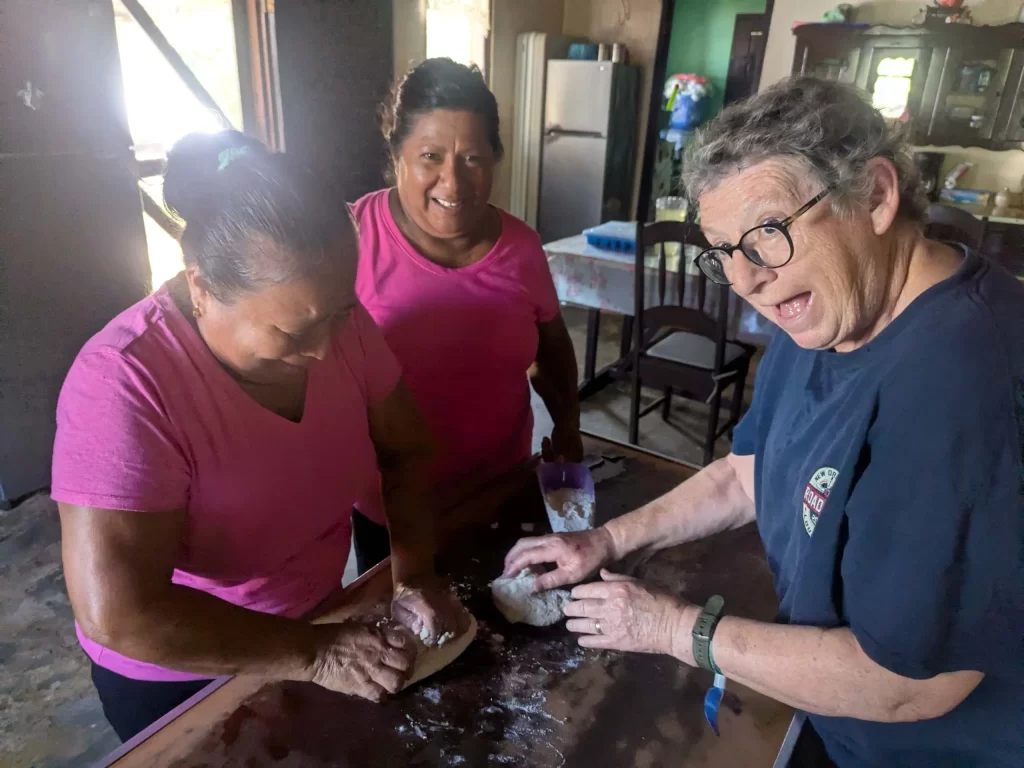
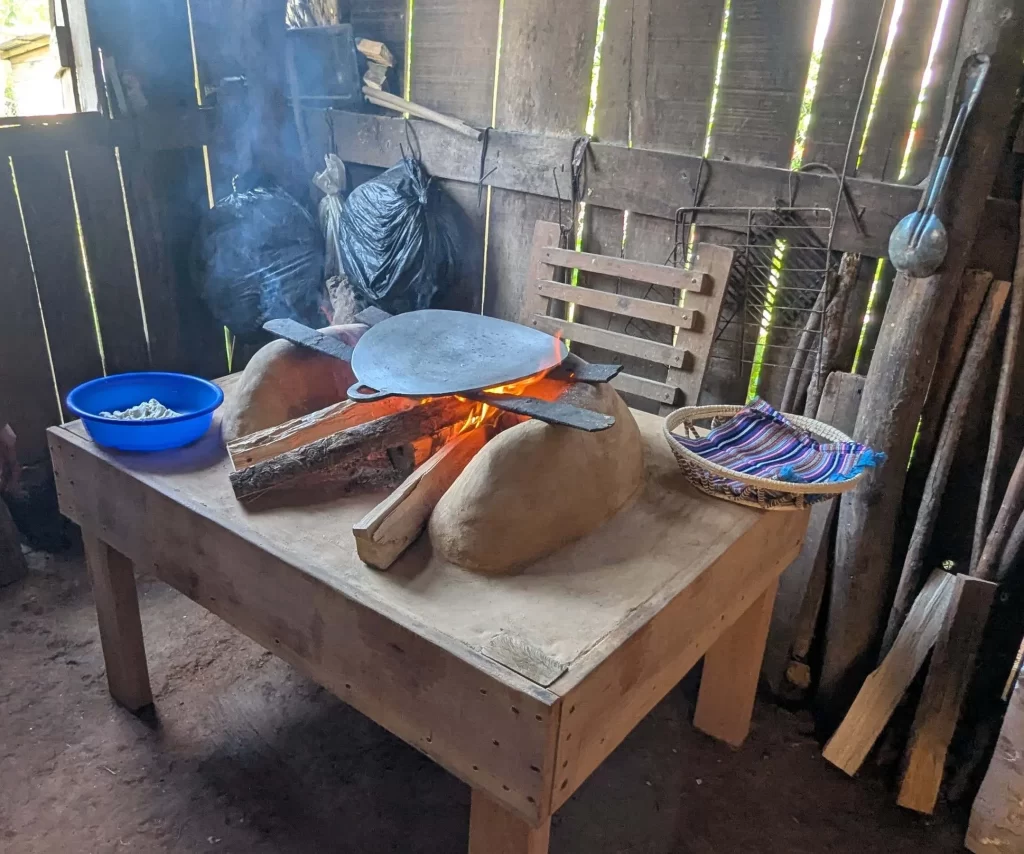
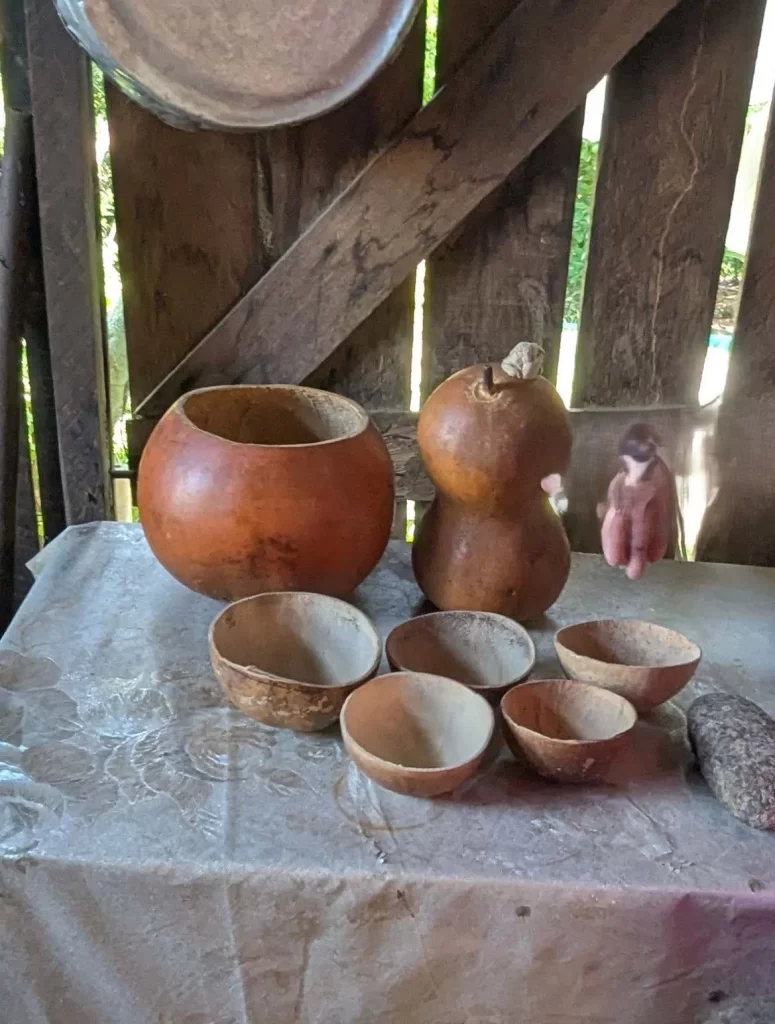
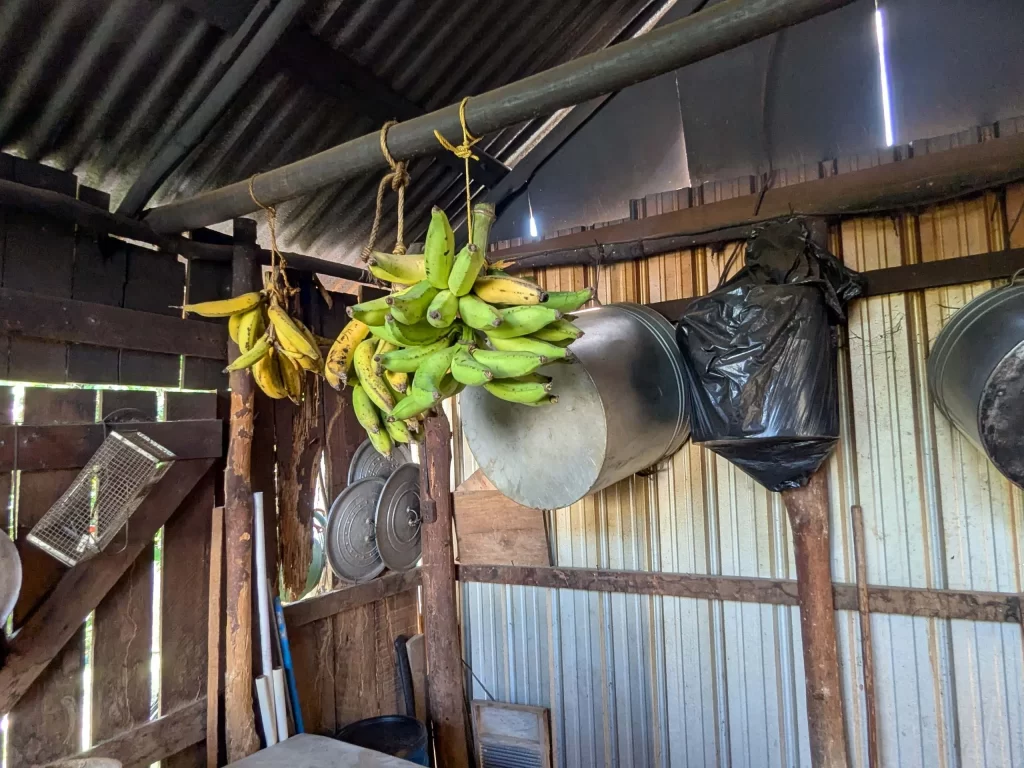
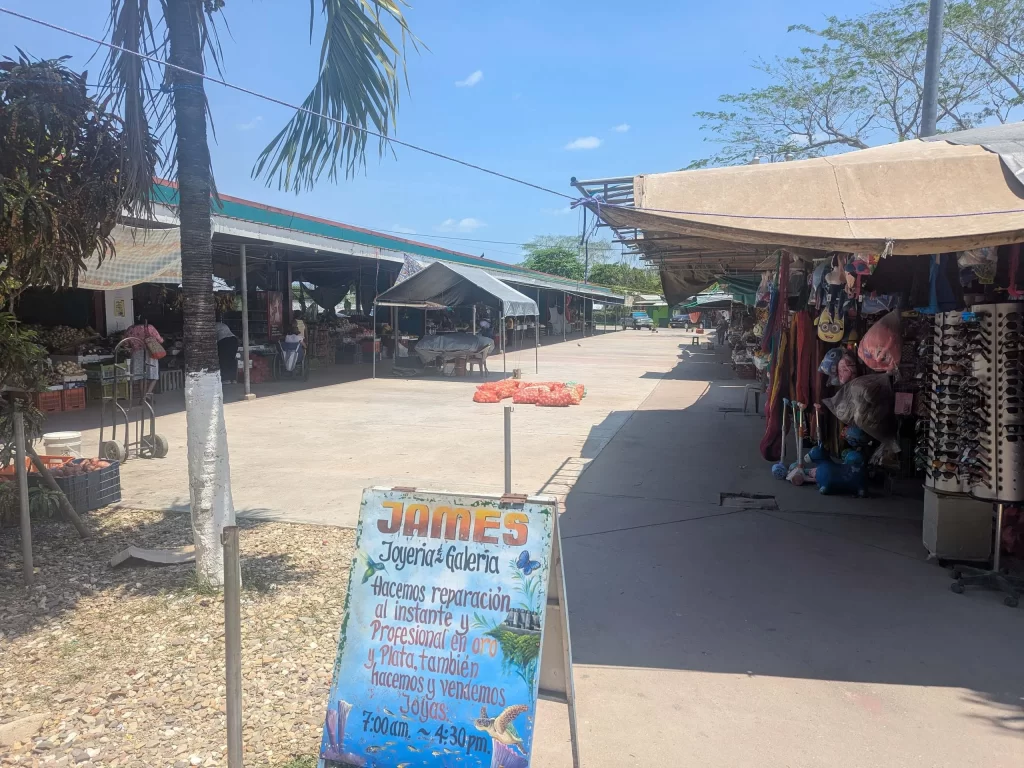
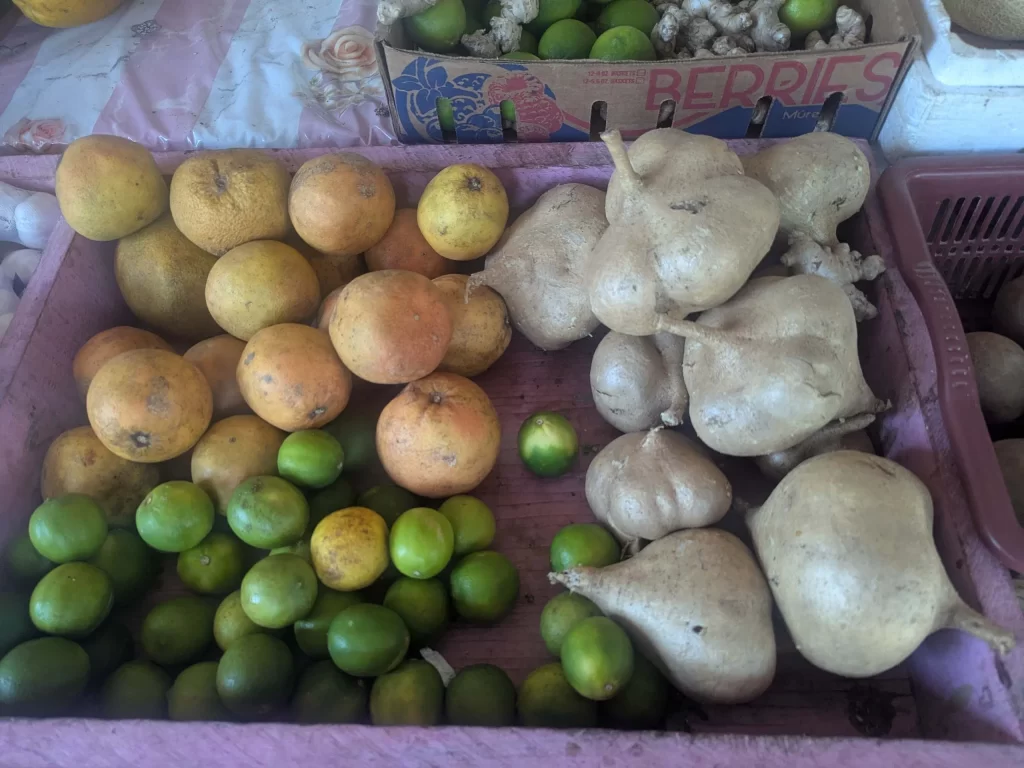
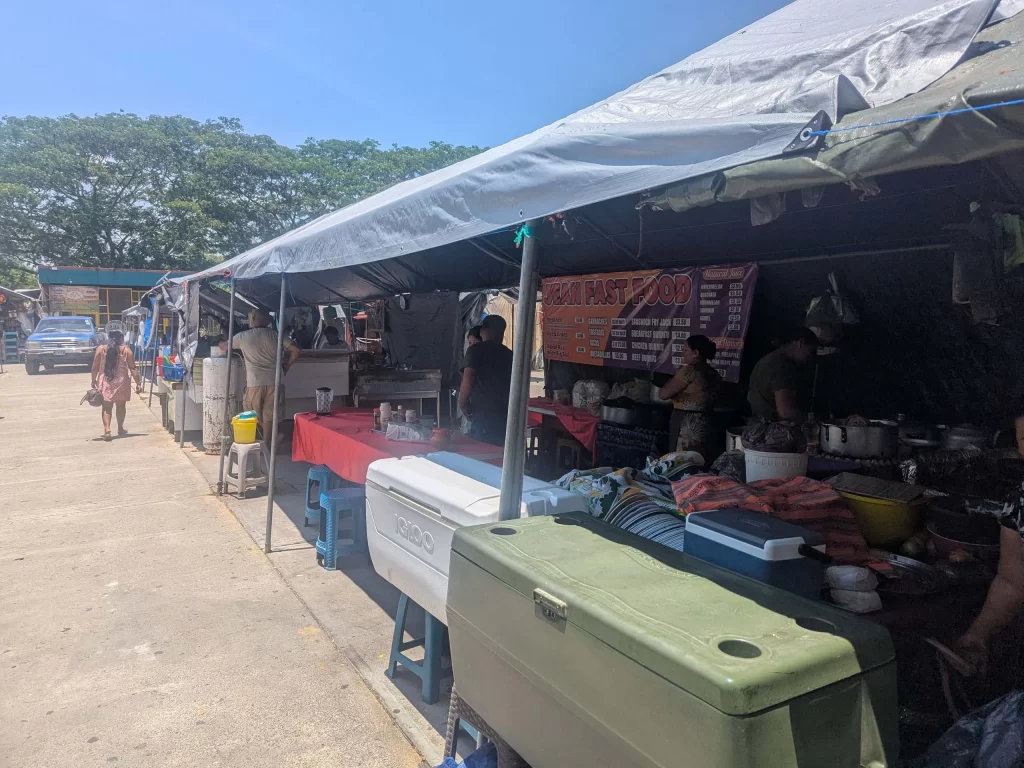
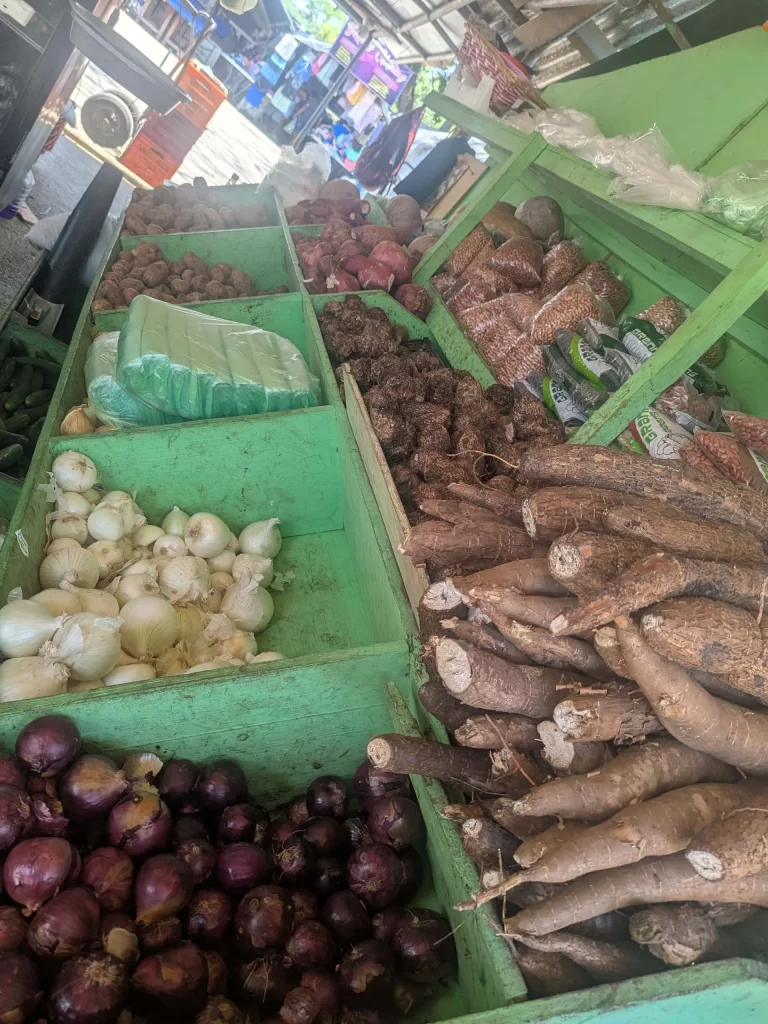
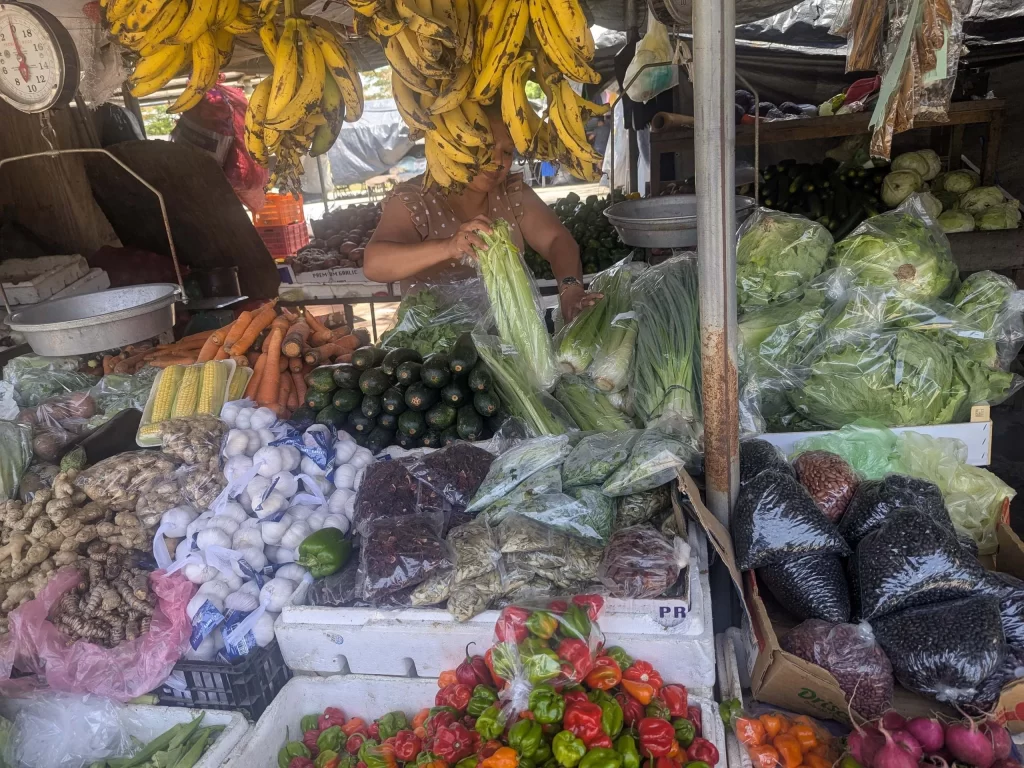
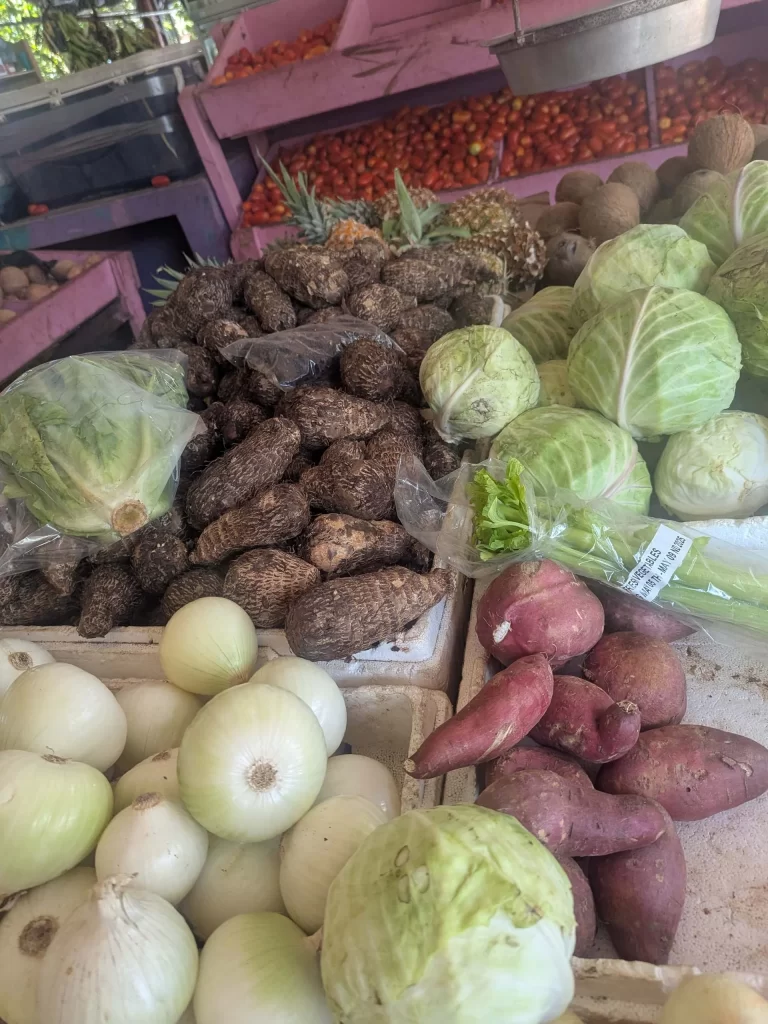
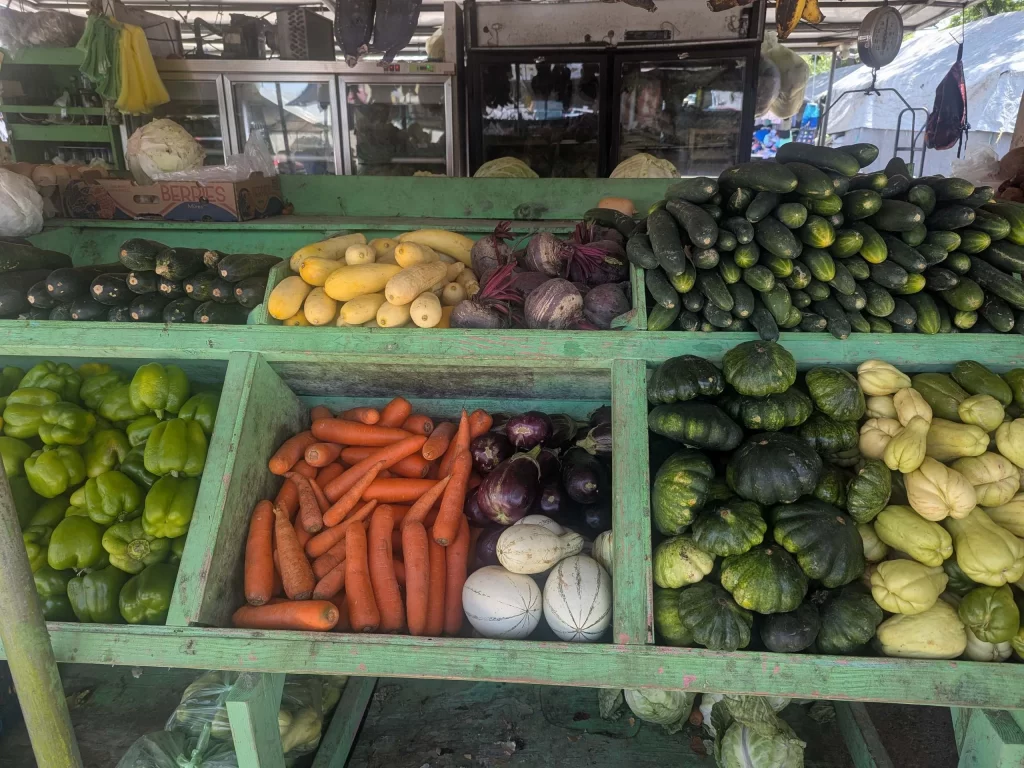
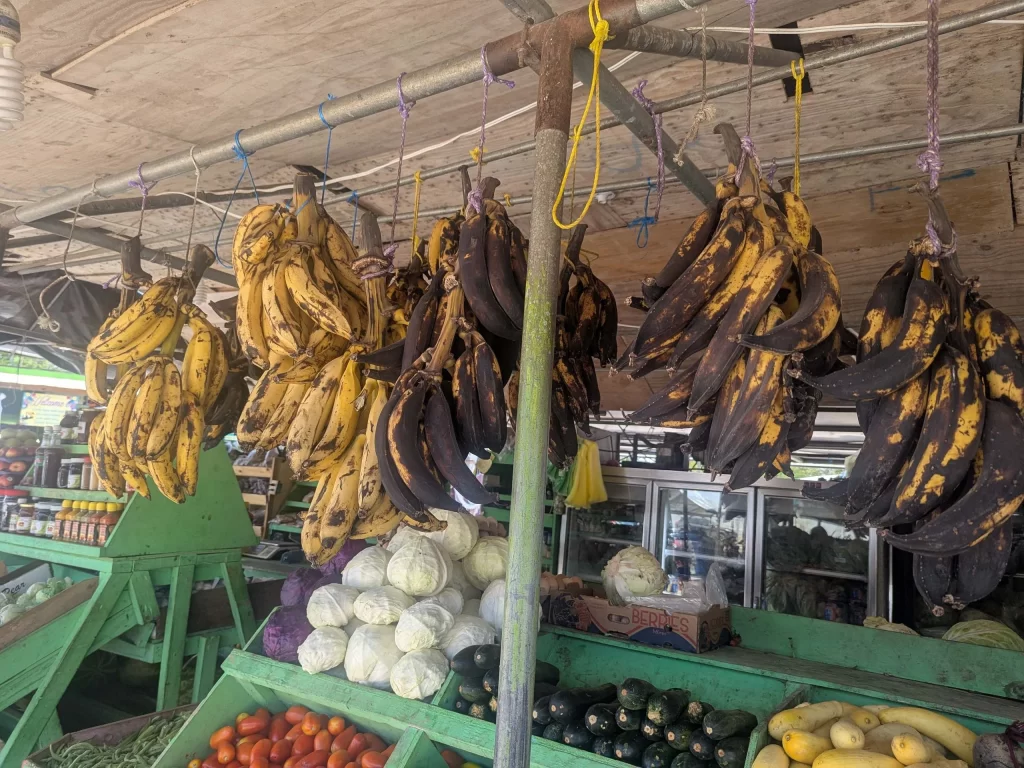
As with any good holiday, we were starting to lose track of the days and time, but knew it was time to battle the heat and stroll around the town of San Ignacio. It is a dusty, basic town that maybe, sort of, has some charm. But perhaps I’m being overly generous. We had heard that one of the most interesting places in town was the local market. And indeed, it could have been very interesting if more stalls had been open, but given that by 11 a.m the temperature was already approaching the mid 30’s, there was barely a customer braving the weather. Even the locals were complaining that it was too hot. There were some stalls selling local food, and even though I wasn’t hungry after having eaten at Dora and Jane’s house, I couldn’t resist. I had some tamales, filled tortillas, a fryjack with beef stew and other stuff that will always remain unidentified but I suspect were some animal spare parts. We saw fruit and vegetable stalls, full of the standard stuff we’re used to, but lots of stuff I’d never seen. There were plantains and a variety of bananas, which we couldn’t for the life of us tell the difference, about six types of what we generally call sweet potatoes but look and I assume taste different from each other, and other vegetables and fruit, spices and herbs that were totally foreign to us. It was fun. But the heat was starting to wear us down, so upon exiting the market we spotted an ice cream parlor, which besides serving refreshing ice cream, was air conditioned. Jackpot. Susan ordered standard chocolate ice cream. I, of course, had to order a flavor that I didn’t know what it was (craboo, by name, whatever that is) and the young girl behind the counter had about as much idea as I did as to what the fruit was. In any case, it just tasted like bland vanilla ice cream that cooled but didn’t excite. Maybe I should have tried soursop, nutmeg, sugarcorn or jicama flavor.
Upon exiting the ice cream parlor we sauntered over to the San Ignacio Welcome Centre as wanted to get some local info about the town. We arrived at two minutes past one. The sole worker there was closing for lunch.
“Ok. You’re closing. We won’t hold you up. Do you have a map of town with the local sites, at least?” we asked.
“yes, I do, but I can’t give it to you or even talk to you, as we are closed for lunch. Come back at two o’clock and I’ll give you a map.” he answered.
Mapless, we cruised the main street and pedestrian mall, which was quaint, had an ice cold beer in a local pub and decided that Cahal Pech, Xunantunich, the botanical gardens and other local gems will have to wait for the next visit, when the temperature is nice and cool, let’s say 35, and not the 40+ degrees of mid May. Meanwhile, we were off to the Iguana Preservation Centre.
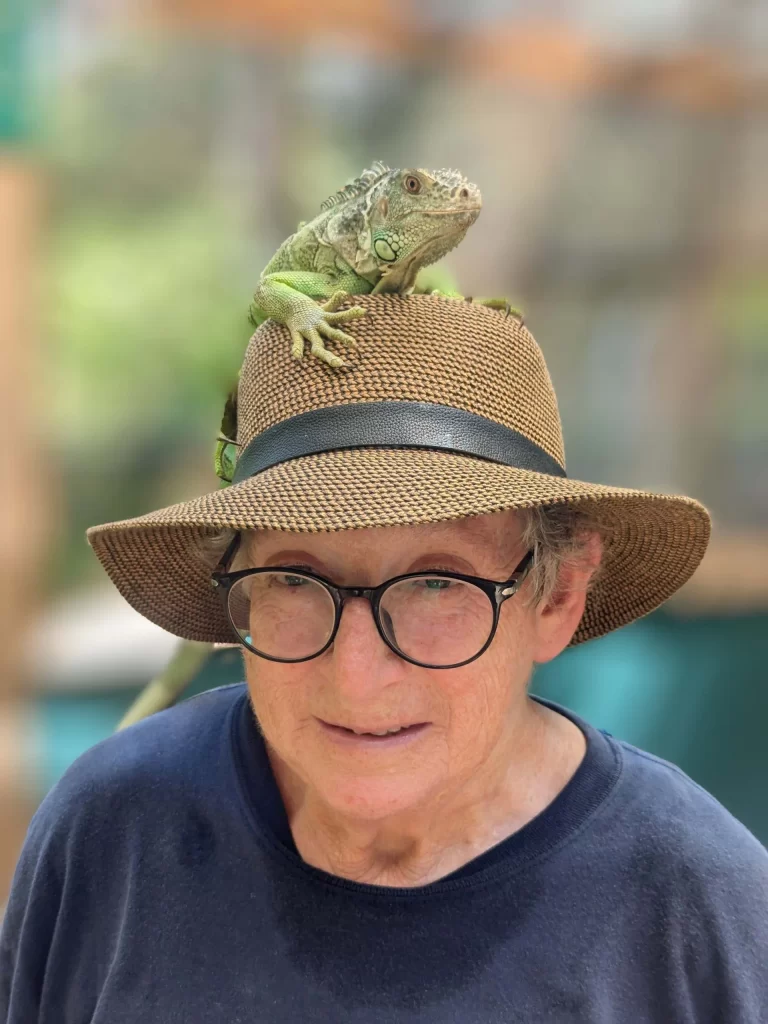
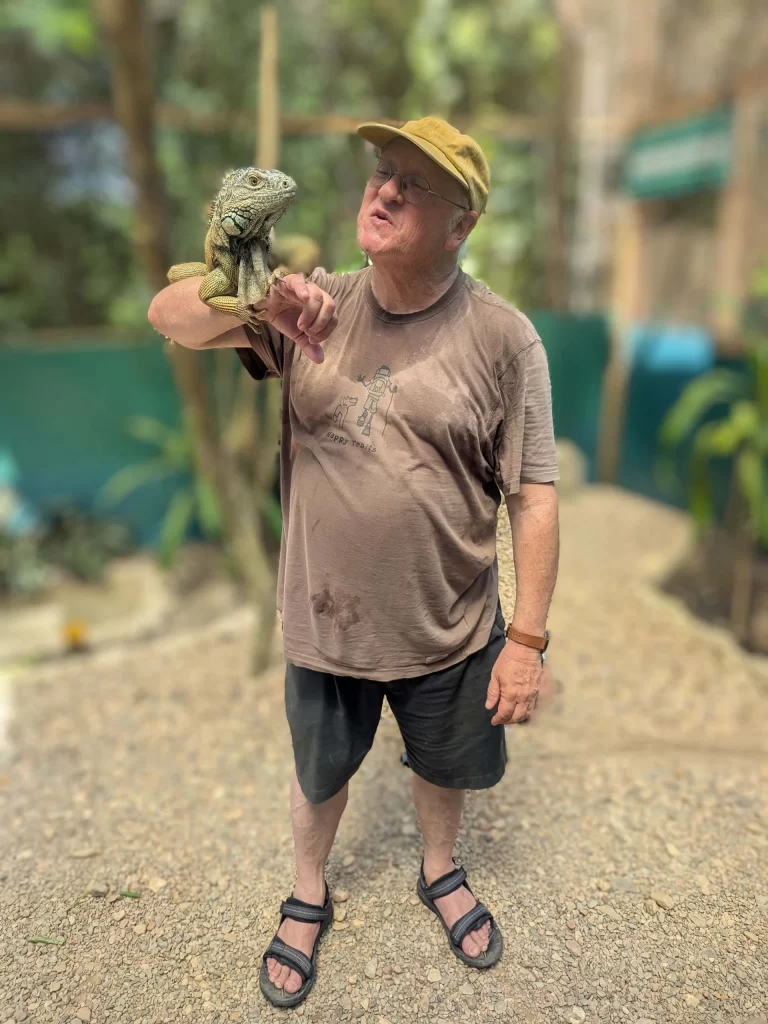
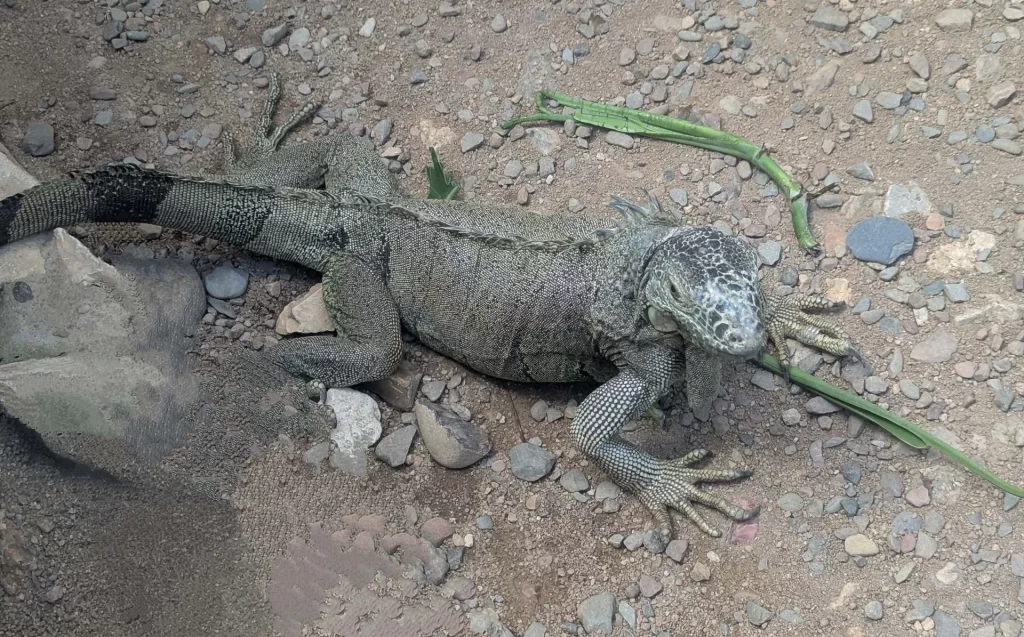
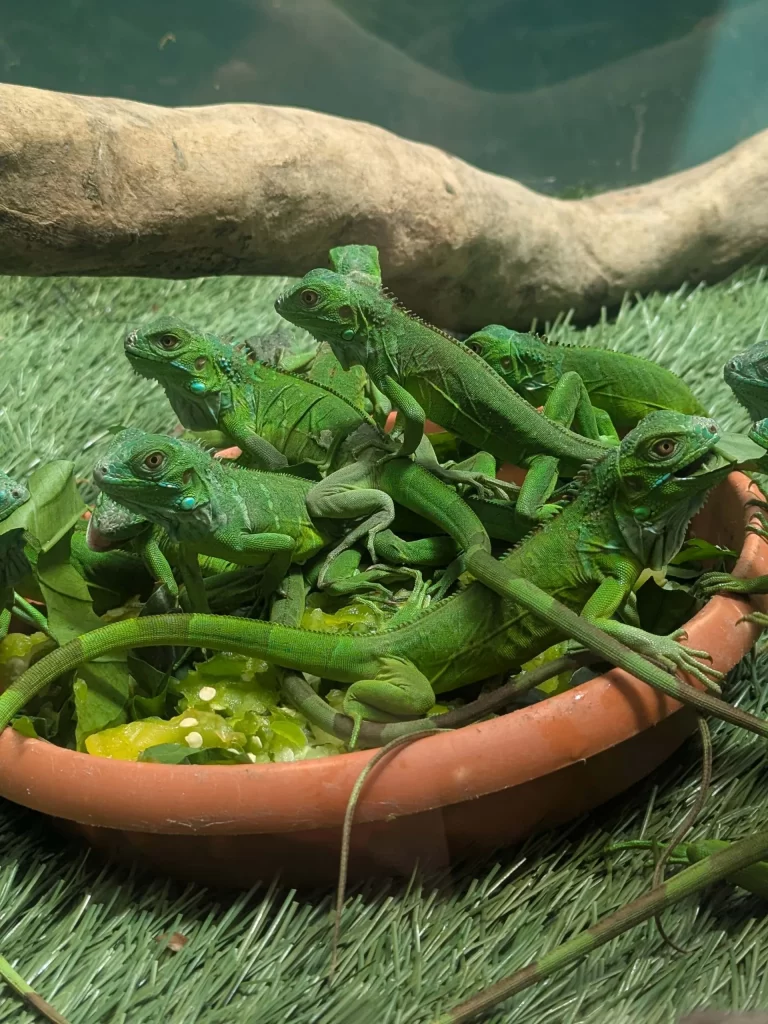
Iguanas are endangered in Belize because of habitat loss and their importance as a staple protein source to the Mayans. Before arriving to Belize we were under the impression that the Mayan civilization finished hundreds of years ago. The city-states have indeed vanished, but the Mayan people and language continues very strongly in Belize and I assume in Guatemala and Mexico too, both of which have a much much bigger population. In any case, the Mayans enjoy eating bush chicken, which is what they call iguana meat.
In order to help preserve the iguana population, the owner of the San Ignacio Resort Hotel, a faded 5 star hotel, decided to set up an iguana sanctuary and hatchery. Our guide for the tour, a local Mayan, openly admitted that he used to eat iguana but of course doesn’t any more. But his family does. It’s very hard to break traditions. I won’t bore you with all the information about habitat, mating, diet and everything else he went through over the hour. The information definitely wasn’t boring to us, but you have to have it in the context of being there. Holding these very big, fierce looking but actually gentle reptiles is a lot of fun and whilst the tour is not cheap, it is one of those instances where you really feel that your money is well spent, both from an interest point of view and that it is going to a worthy cause.
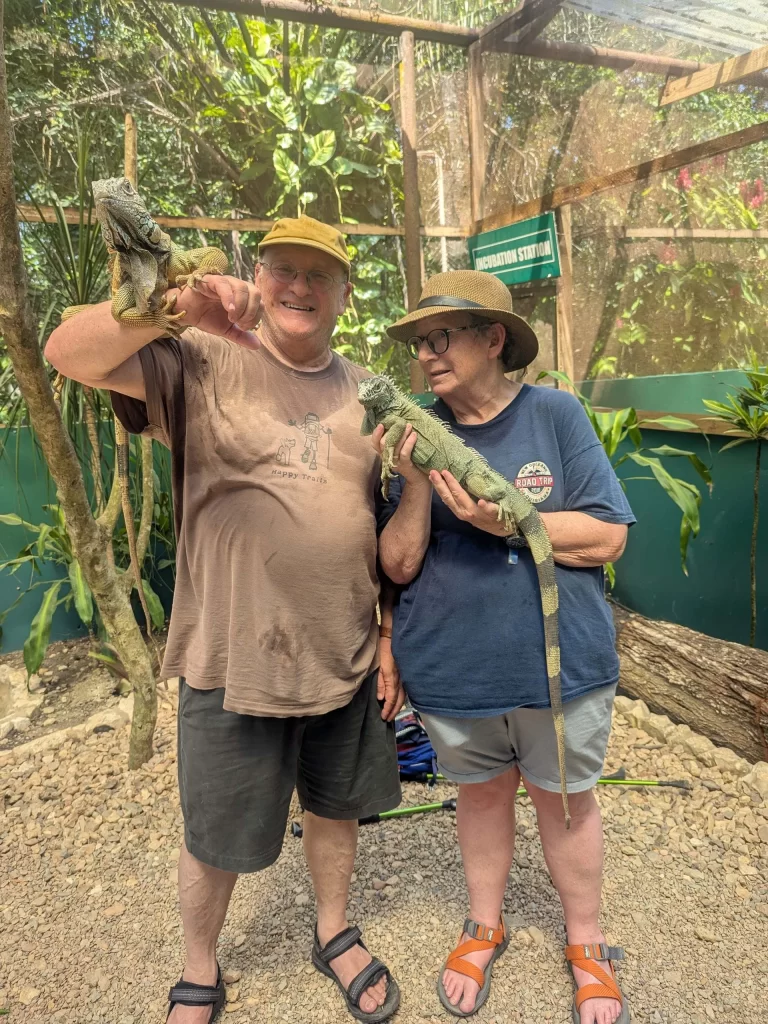
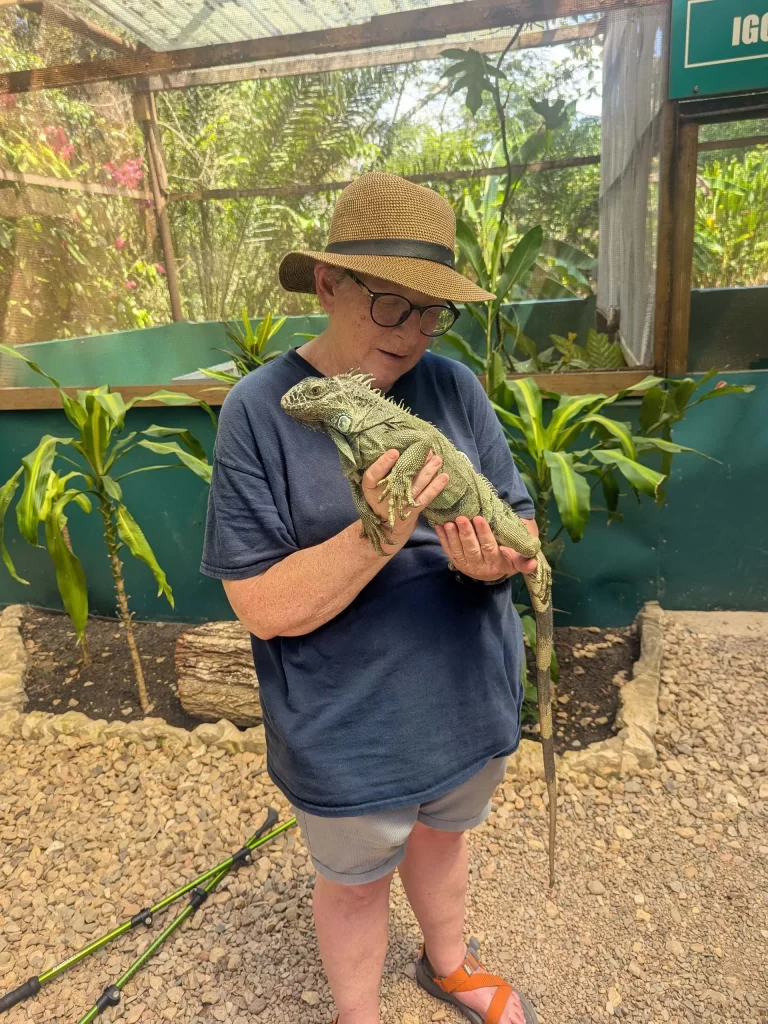
By the time we’d finished the tour we felt half cooked. It was straight back to our lodge to a different room that had a very good and welcome air conditioner.
If up until now I have barely mentioned food, this isn’t by mistake. The food in Belize is tasty, Central American fare. And that’s it. However I do need to describe Carm’s bakery and restaurant, which was a five minute walk from our lodge in Cristo Rey. On my first visit there on the first day, they recommended I try soursop juice. Soursop is a sort of tropical, overgrown custard-apple which tastes like pineapple, banana and passionfruit all wrapped up together. Or more succinctly, it tastes like the tropics. When juiced, it is delicious. Then I discovered that they make soursop juice into daiquiris and alcoholic milkshakes. Wow. After that I graduated to a ginger and sorrel caipirinha and I almost felt inclined to take Freddie, the mixologist, to a NYC cocktail bar so he could strut his stuff there.
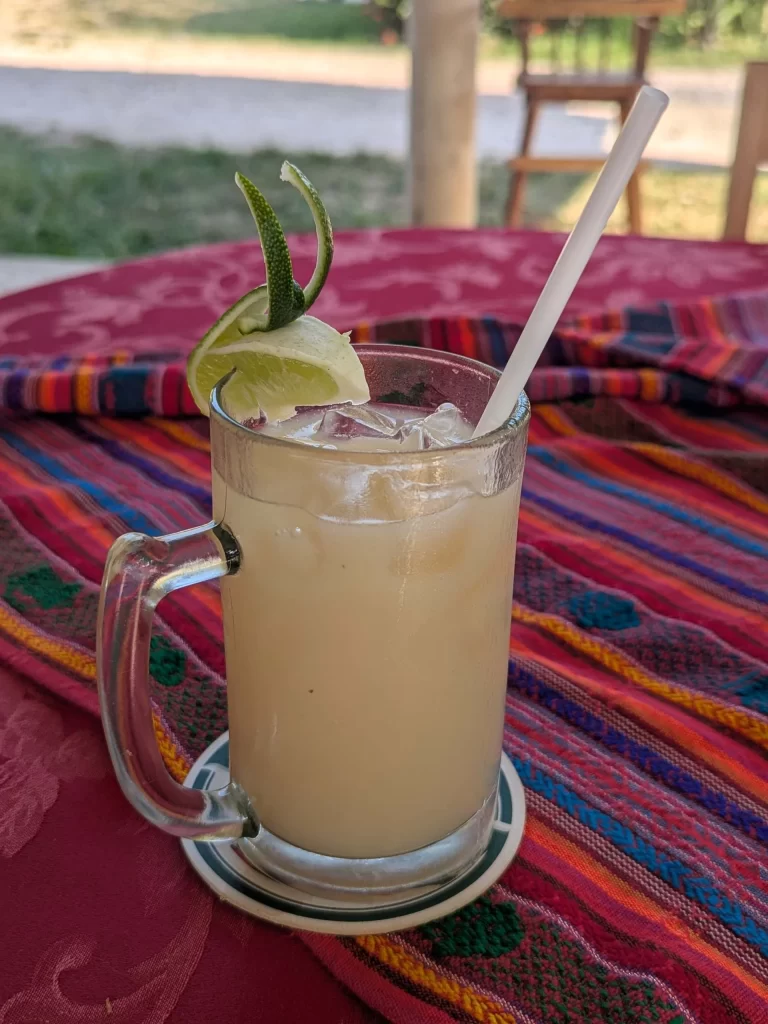
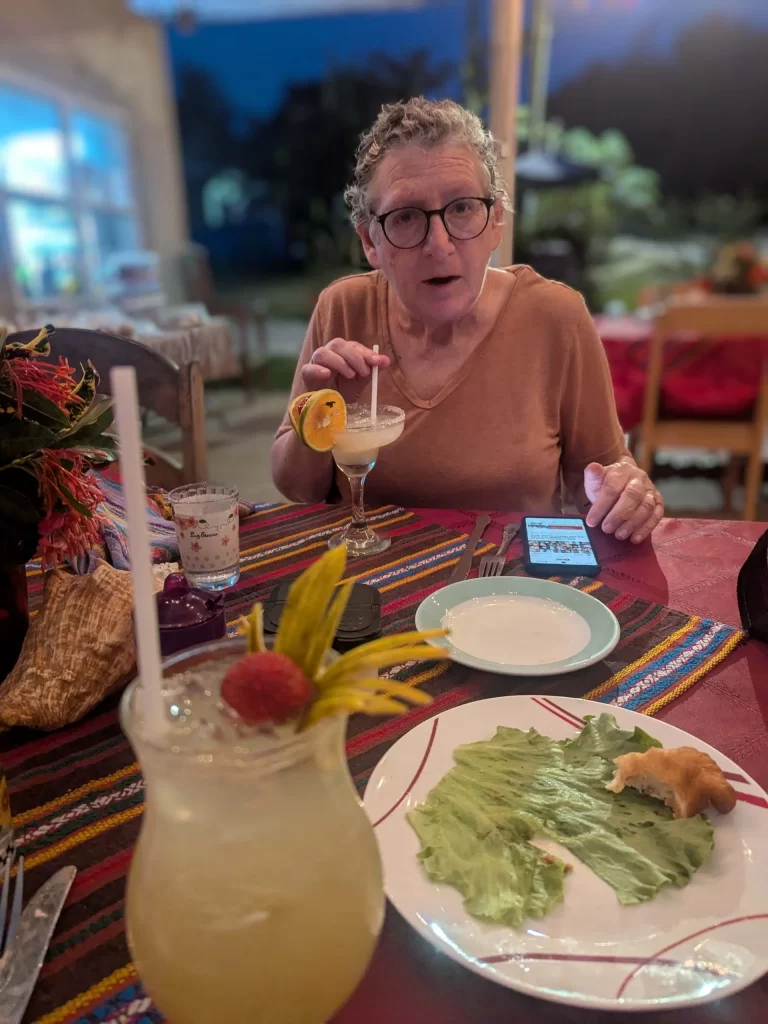
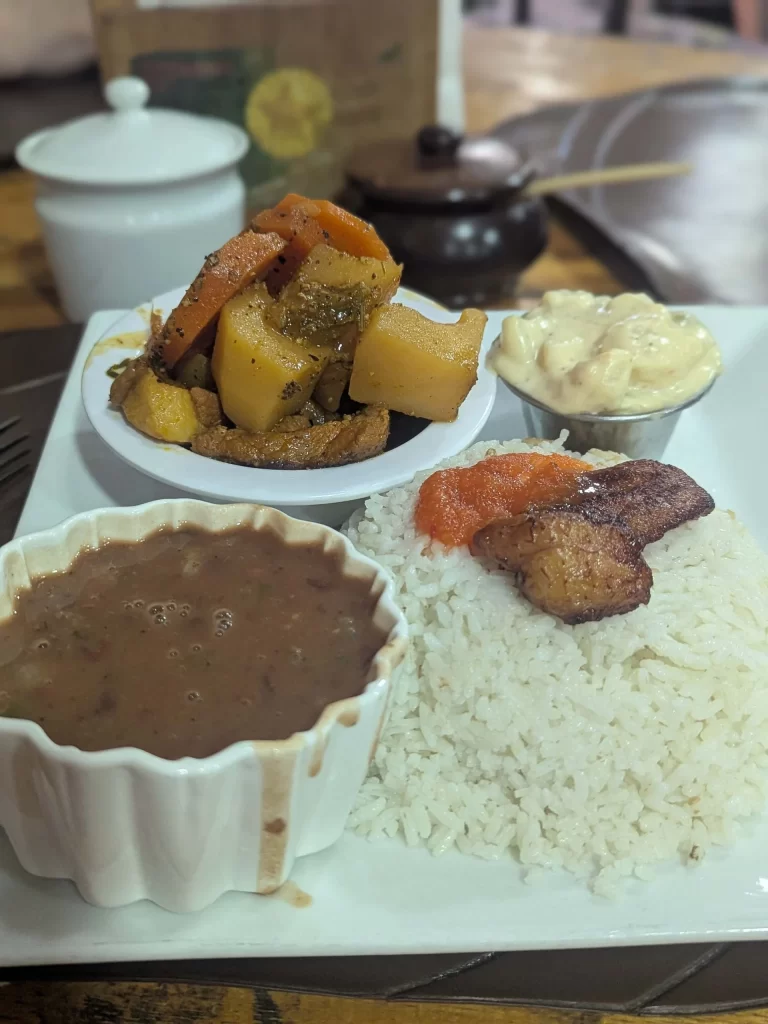
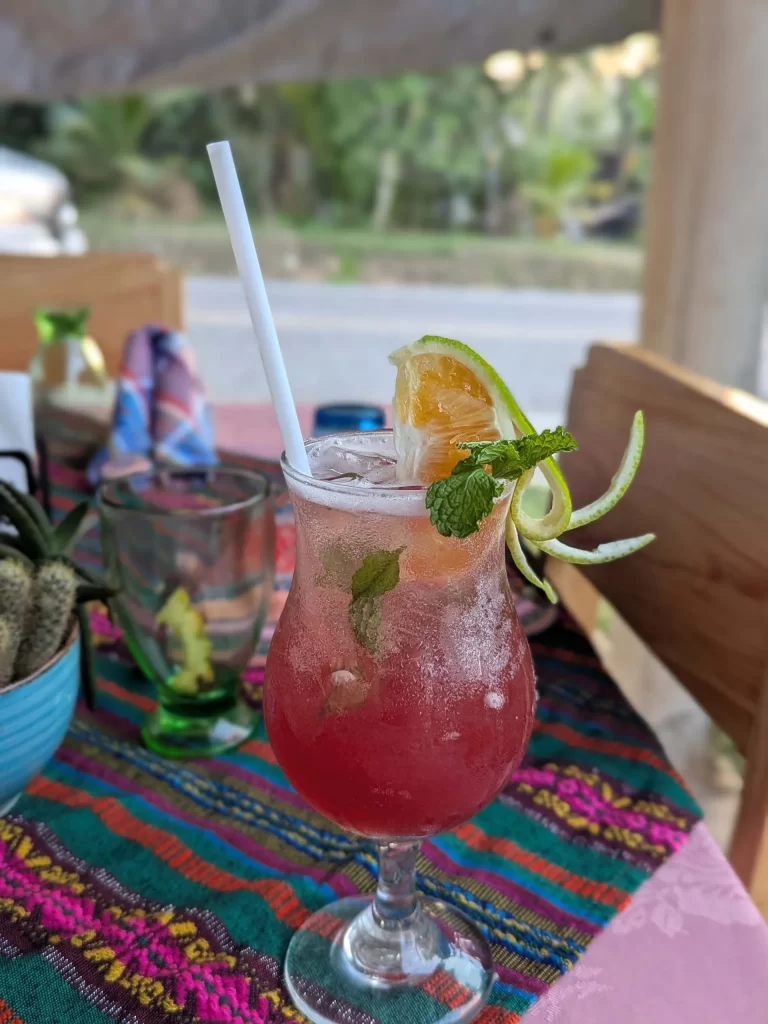
The food at Carm’s is also great; ultra local and very delicious. But it’s the back story that captivated us. Started as a bakery by Carm, (Carmella) who had to find some sort of income after she was let go from her work in a resort during covid, her two sons are now working with her. They started serving meals when one son, Jason, also had to find a source of income after he was let go from the kitchen at the resort and then Freddie joined his brother and mother as the bartender and waiter. (Jokes about Jason and Freddie and horror movies were totally lost on them. Context is a bitch). They are now building a separate bar next to the restaurant so Freddie can fully exploit his mixology skills. The story in itself is inspiring, but we felt that it really typified Belize. The tour company that we used for the two day-tours was started by and is still owned by two brothers who live in San Ignacio. We were seeing a country where entrepreneurs in many fields are finding ways to get ahead. The third world vs developing country debate was officially dead. This is a developing country that has a bright future for its 450,000 inhabitants.
Next morning we were off to Caye Caulker with a feeling that we had seen and done a lot and yet there was still much more to see and do in the area.