Imagine this: Being the only white faces amongst two thousand revelers who were celebrating the life of a deceased relative, in accordance to the cultural norms totally foreign to your own
We were coming to the end of our time in Belize, but not before we had two nights in a town called Dangriga, which together with the nearby village of Hopkins, is the centre for the Garifuna people. The Garifuna community was formed in the 17th century by the mixing of West Africans and indigenous tribes, creating their own unique religious beliefs, language, and culture. Given their definite African roots, the people here were much darker than elsewhere in Belize and we were once again amazed at the diversity of a country whose population is a little more than 400,000 strong.
Whilst the town itself is unspectacular, it has a museum and Garifuna cultural centre, Belize’s most famous hot sauce factory that holds tours, and close by national parks and unique nature reserves. More than enough for a day and half.
Unfortunately, Susan and I have slightly different definitions of the word “holiday”. When I’m on holiday I feel the need to exploit every available minute to explore and experience as much as possible. Susan has the preposterous idea that holidays are for relaxing. And after eight days of “doing”, Susan had run out of gas. Her tank was empty. We arrived to our hotel in Dangriga, and upon entering our room she turned the aircon on to arctic and that was it. She wasn’t moving. Fair enough. So not for the first time when we have travelled together, while Susan explored the minimum temperature that an air conditioner can reduce a room to, I explored the town that we were in.
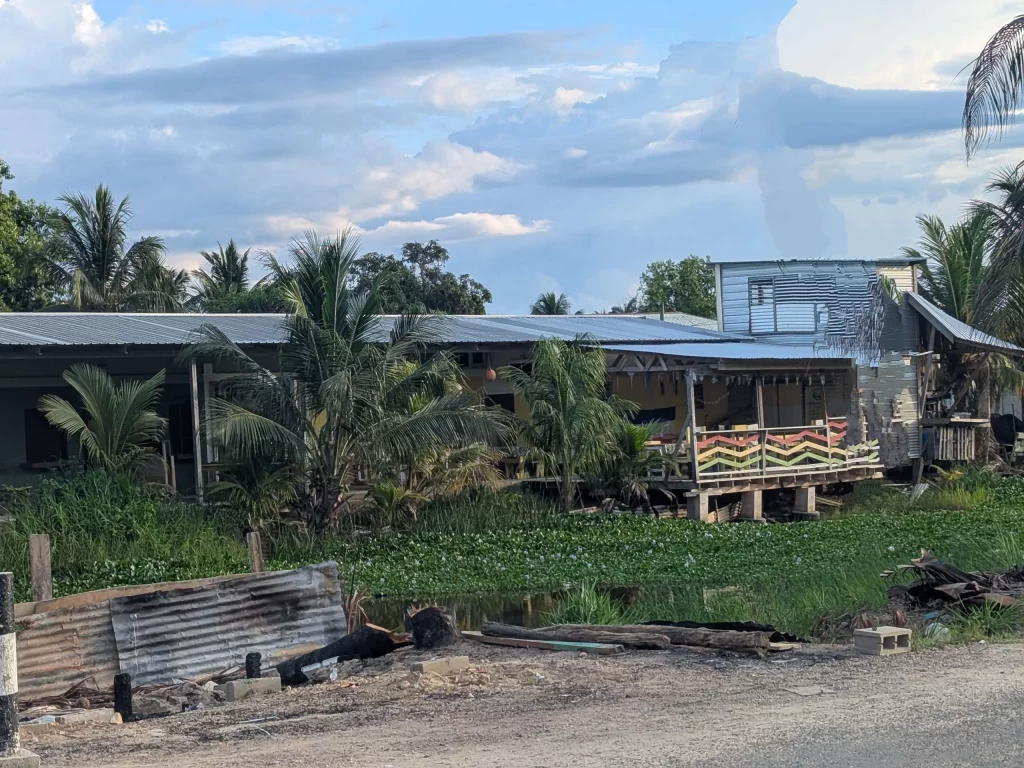
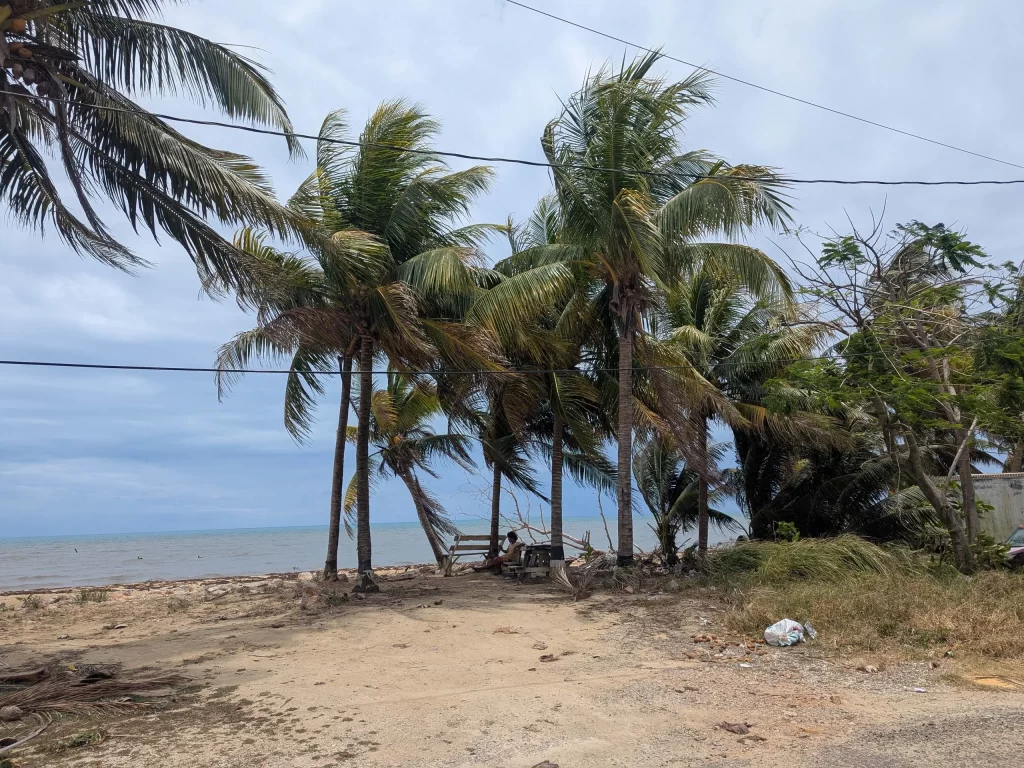
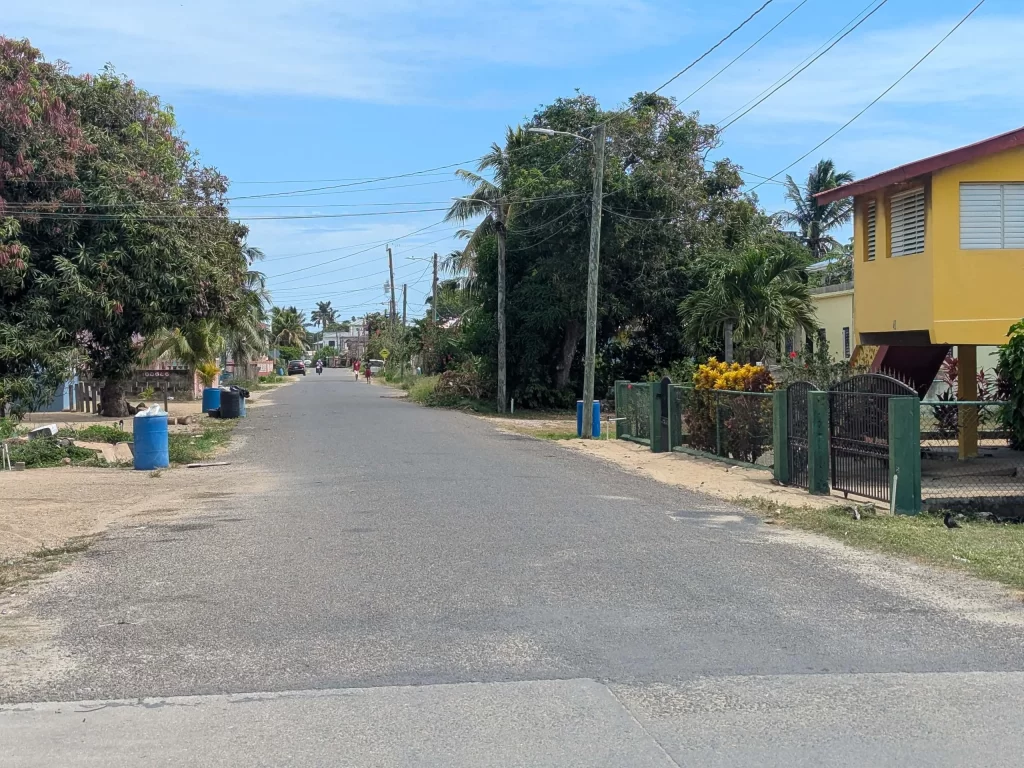
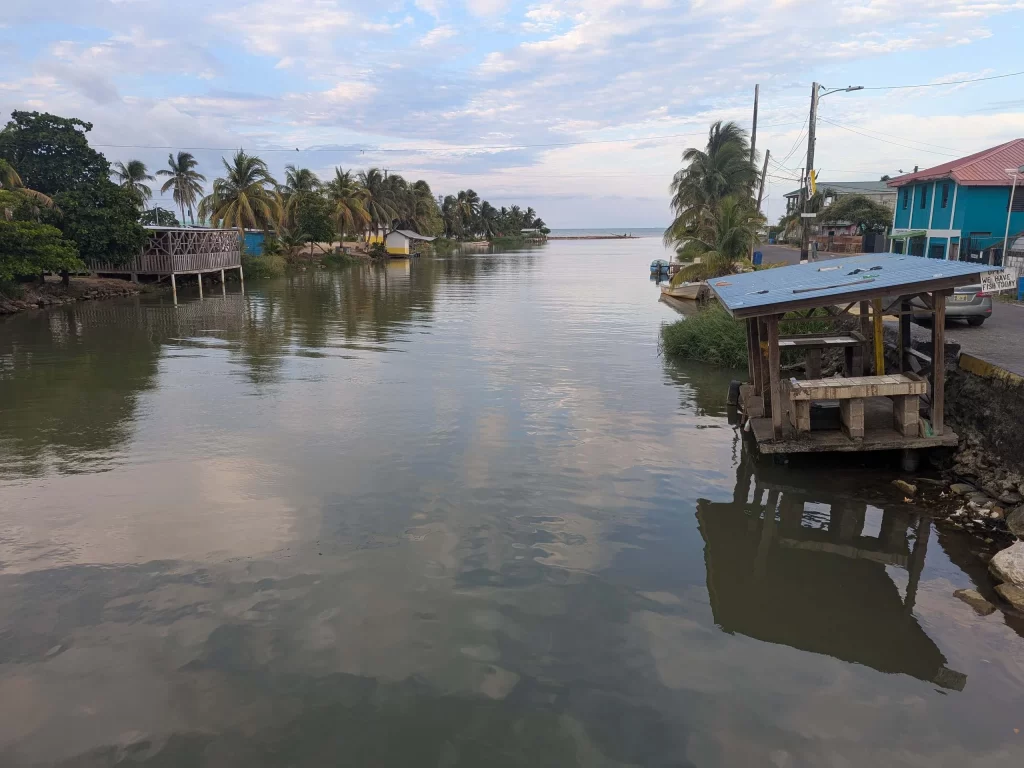
There is a local restaurant less than a hundred metres from our hotel that the hotel owner strongly recommended, that turned out to be closed. Not a good start. I turned right into what is ostensibly the town’s main street, hoping to see what the town has to offer as well as finding somewhere we could eat dinner. A temporary barrier blocking vehicles was placed not far up the road, followed immediately by large canvas canopies and a stage after that. This looked interesting. The only people around were workers setting everything up. When I asked why or what they were setting up, they laconically replied that there was going to be a memorial for some women who had died. Hmm. Maybe not so interesting.
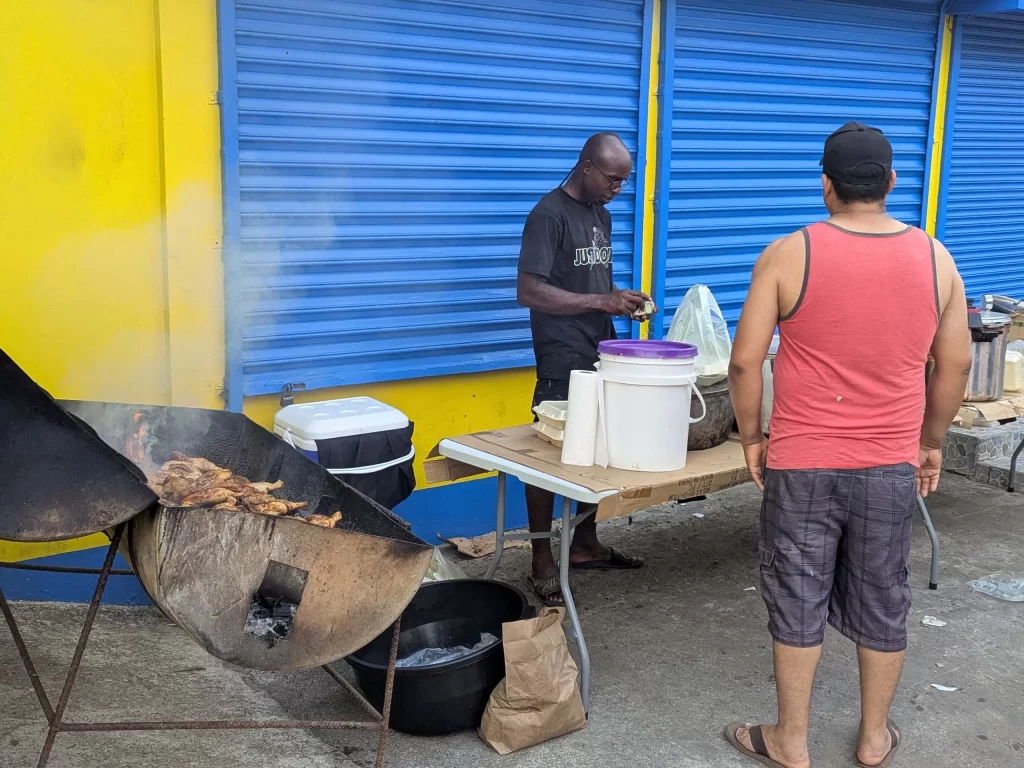
So I continued sauntering up the main street. In many places in the world shops are closed on Sundays. So are restaurants. So is everything else. This was certainly the case in Dangriga. I arrived to a guy who had set up a large 44 gallon drum barbeque on the footpath, where he was roasting chickens and packing them up with the obligatory rice with beans and sweet coleslaw. Judging by the queue it was the best (only) place around to get food. It was too early for dinner but at least I’d found somewhere where we could get something to eat later on. After five hundred metres of seeing nothing I decide to do a u-turn back to the hotel. By the time I returned to the stage and tents, people in bright yellow t-shirts with a photo of a saintly looking old lady on the chest had started to gather. I asked them what was about to happen and received a more detailed answer than before. A local woman had died in January and her family had decided to throw a large celebration to commemorate her life and help her soul pass from purgatory into the next life. It would have been her ninetieth birthday the next day, if she hadn’t passed away five months earlier and so it was time for her soul to move on. Even though it would be a little while before the celebration started, I found a chair, plonked myself down and rang Susan, encouraging her to leave her 16° icecave and join me in the 30° canvas tent. It took some convincing but half an hour later Susan joined me while more and more locals, dressed in the same yellow commemorative t-shirts arrived to the location. We sat around for quite a while, but sometimes doing nothing can be as enlightening as the most fact-filled tour.
We learnt that the festivities can’t start until the family members have finished a special Sunday Mass service in the family home, opposite the stage. The Garifuna religion is a mixture of ardent Catholicism and local, indigenous beliefs. I don’t know if the Pope is aware that his holy doctrine has been mixed with ancestral spirit worship but I promise not to tell him. I was invited into the home of one of the deceased’s cousins for some cold water and a snack. Susan sat talking to a local scholar who has made it her life’s work to record the Garifuna’s oral history for posterity before it is lost and received a detailed history of these people. Soft drinks were passed around as were free meals, of, you guessed it, BBQ’d chicken, rice and beans and sweet coleslaw. Eventually the Mass finished, by which time a few thousand people had gathered and the celebrations started. And what celebrations!
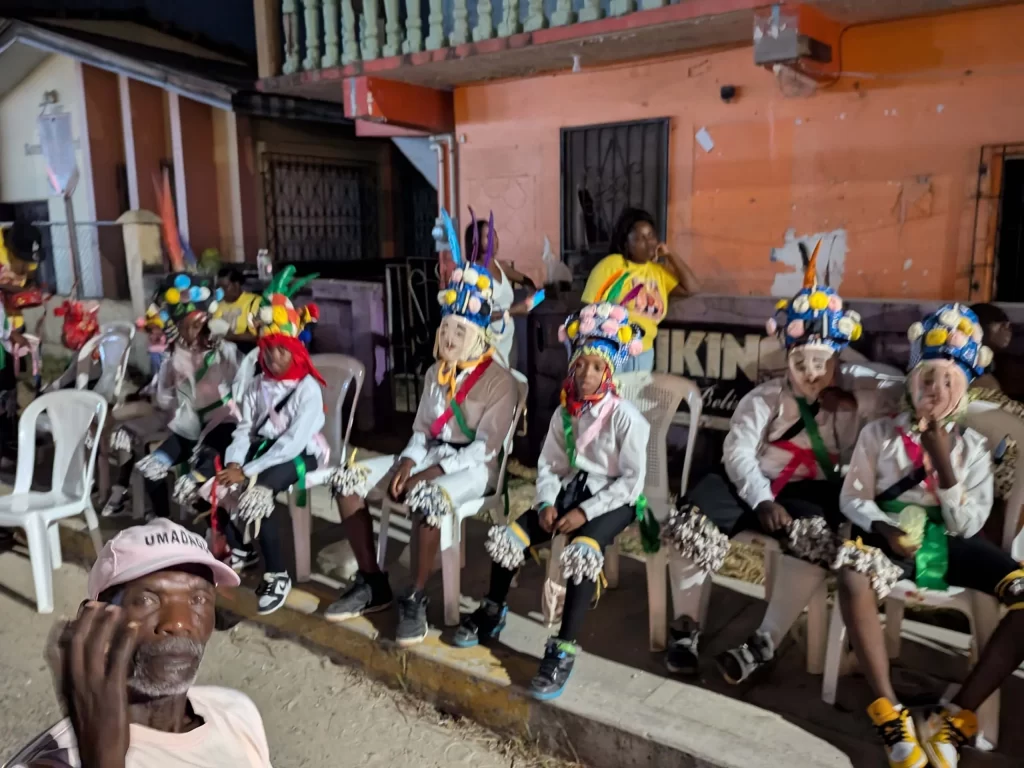
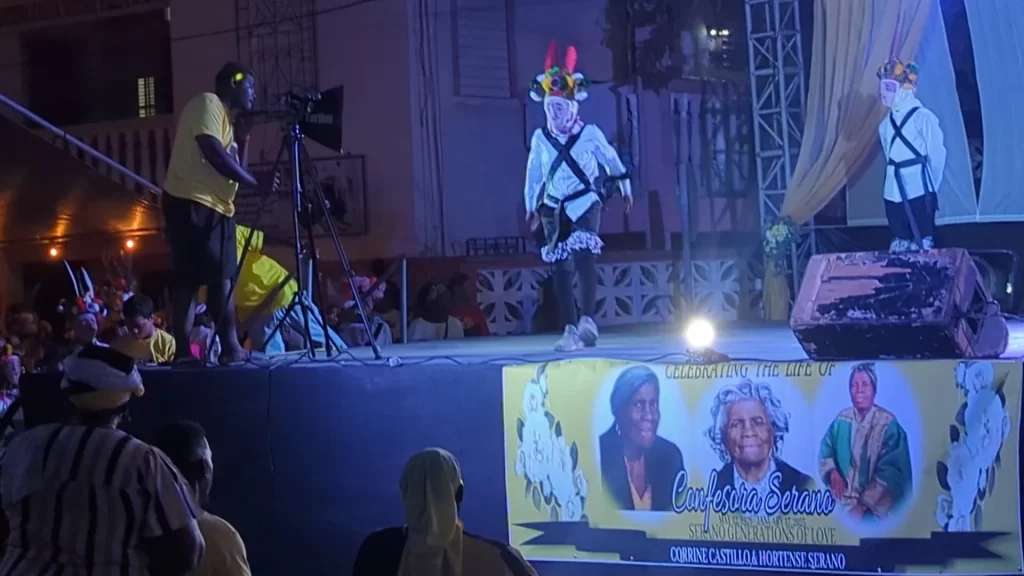
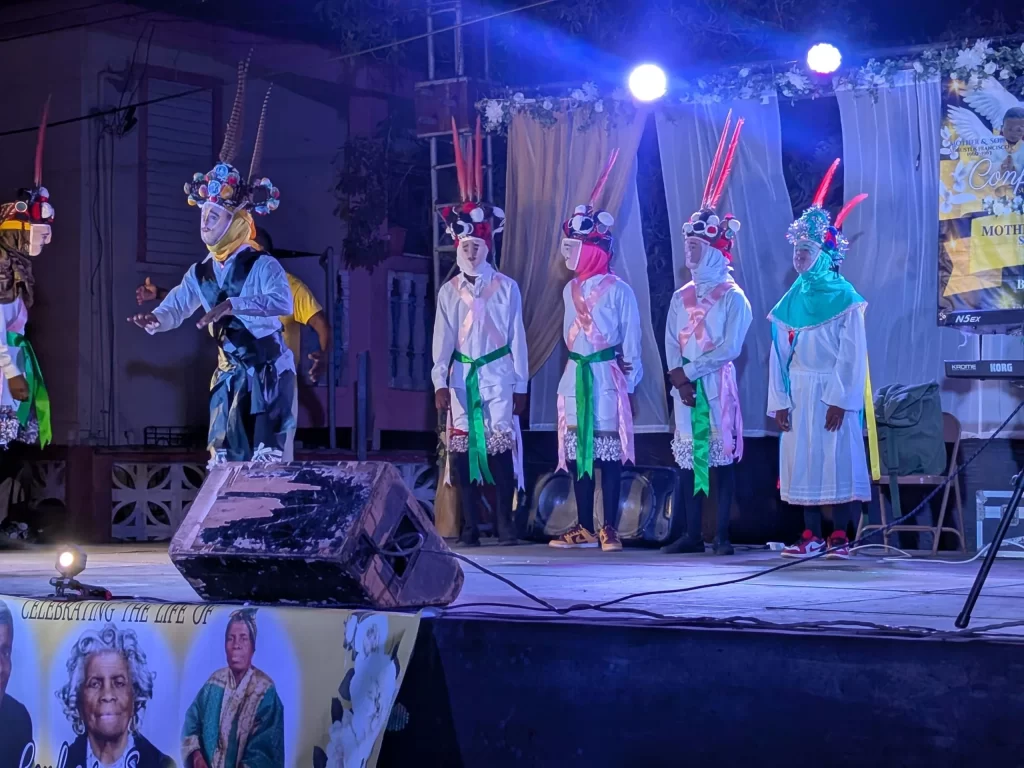
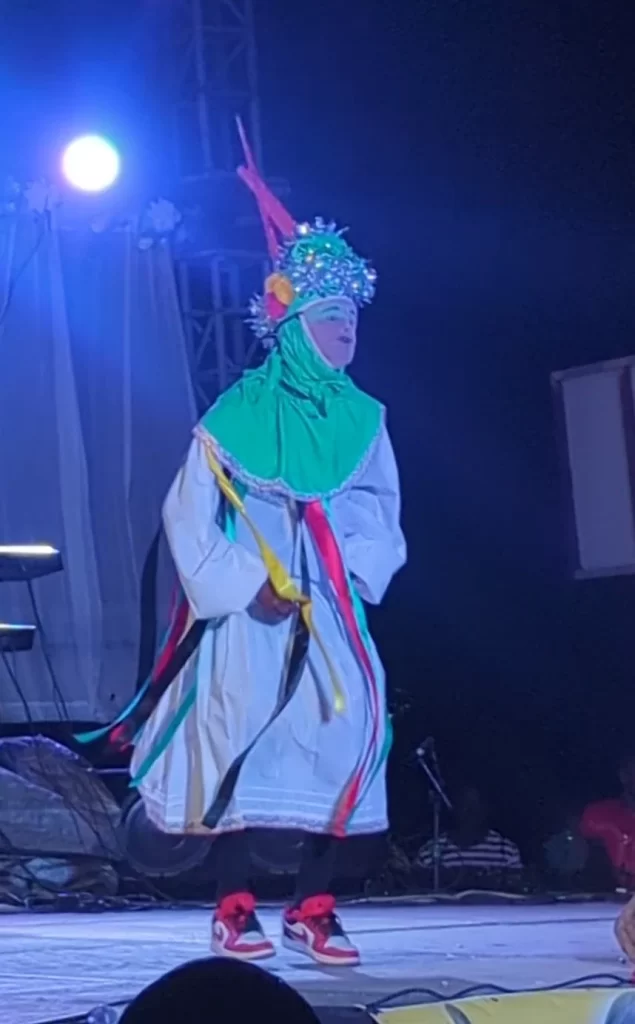
Music is one of the Garifuna’s principal cultural symbols, specifically, drum music. The festivities started with a four-piece drum ensemble, and there was no mistaking the music’s African roots. After fifteen minutes of mesmerizing beats, dancers stepped up to the stage. Each dancer wore a white or pink mask, head-dress with large feathers and a white uniform of sorts, which we were told was a mockery of British soldiers. It was the English that expelled the Garifuna from their original birthplace on the island of St Vincent to Honduras and Belize. Each dancer would come to the front of the stage where he would strut his stuff. It was a dance like no other I had ever seen where the dancer would jerk his body to the music’s beat whilst performing what I can only describe as Garifuna tap dancing, moving their feet in keeping with their bodies and the music, but in an elaborate and unique pattern. People would clap and cheer at the more virtuoso performances, of which there were many. After about forty dancers coming to the fore, this part of the evening finished. Next up a multi instrumental band took the stage. The four drummers were the central driving force, but there were some brass instruments, two people playing maracas, an organ, three backup singers and centre stage a guitarist who led the singing. It really didn’t matter that the singing was in Garifuna. I felt quite privileged at being able to share this experience with the locals, especially as we were the only whiteys there. By eleven o’clock we’d had enough and walked back to our hotel. We know that at twelve midnight they all planned to sing happy birthday to the deceased. I’m certain that we missed a lot of fascinating and unique experiences, but I certainly felt that I’d gotten a pretty good snapshot of Garifuna culture.
I had plans for our one full day in Dangriga, but Susan was an immovable object. She wasn’t interested in hot sauces, seeing jaguars in the wild or Garifuna museums. She wasn’t moving out of the airconditioned hotel room, except to duck down the road for breakfast, to the restaurant that was closed yesterday. To our shock, every table of the small restaurant was occupied by revelers in the yellow memorial t-shirts. They had partied all night and at dawn had gone to the cemetery for final goodbyes, sending the dear lady’s soul into the next world. It was time for some breakfast before bed.
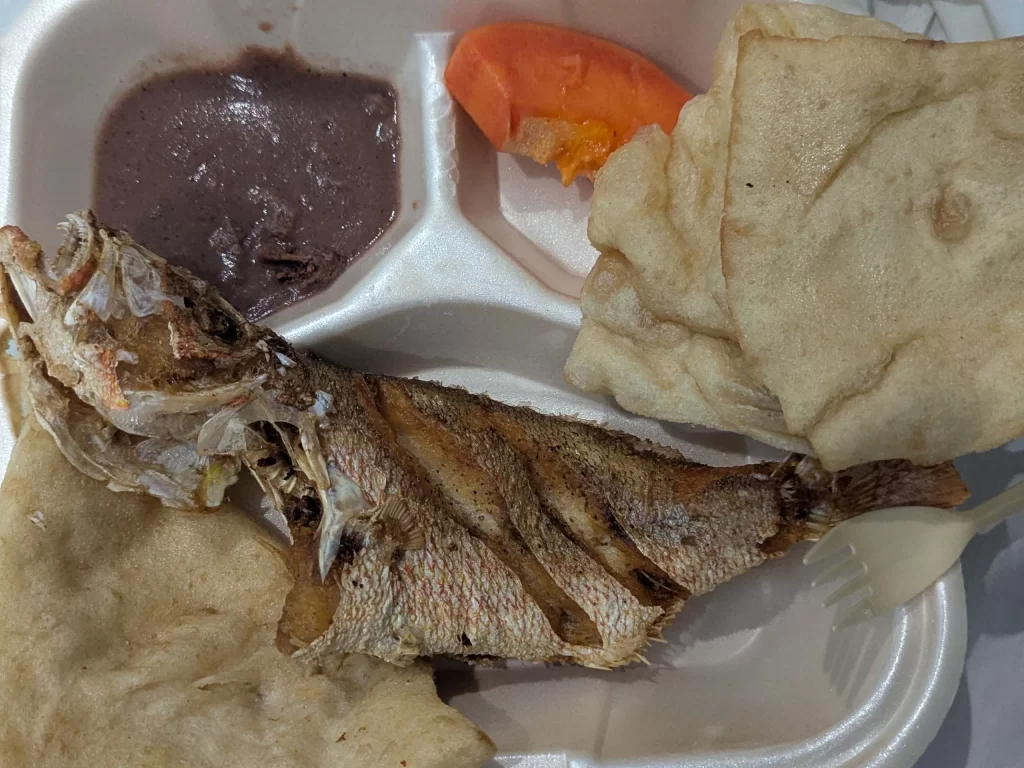
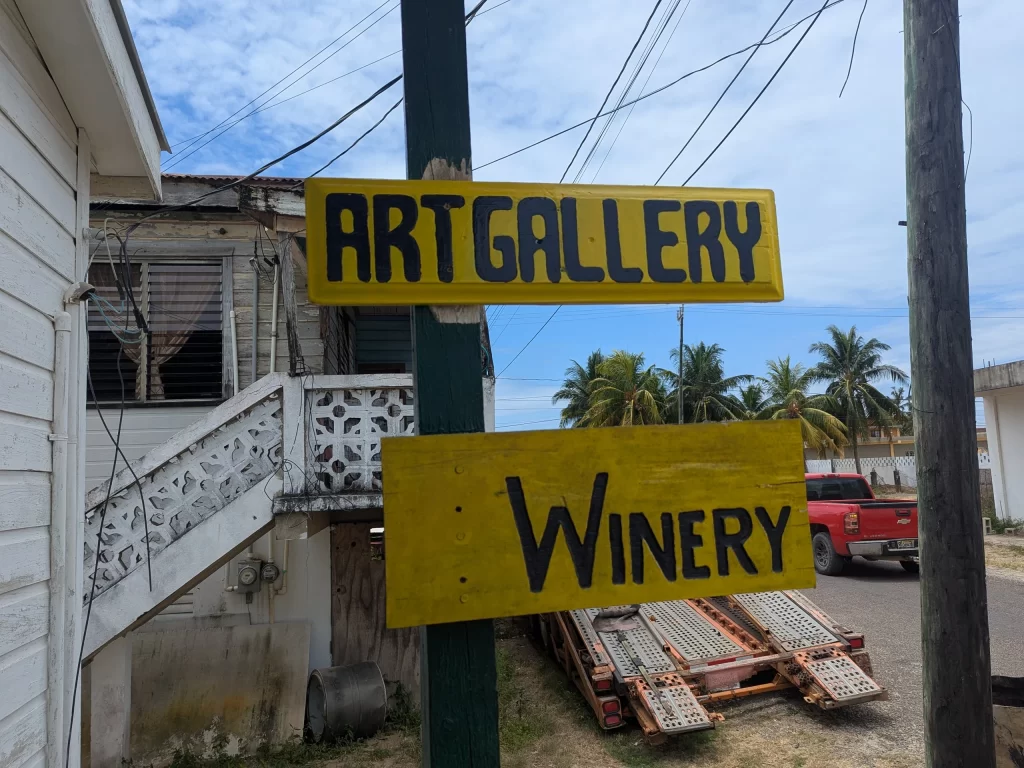
Eventually a table opened up and we ordered breakfast. Susan was sick of rice and beans and ordered pancakes. I had no qualms about ordering a traditional Belizean breakfast…fried river fish, fryjacks, rice and beans, sweet coleslaw and an assortment of salsas. We were both very happy with our choices. It was 10 a.m. and Susan was missing the air conditioner already. If we weren’t going to see the sights, then at least I was going to see if Dangriga was more interesting on a Monday than it was on a Sunday. “Interesting” is a relative term. Yes, the shops were open and it was interesting to see what small town Belizean hardware stores, minimarkets, chemists and clothing stores sell, but let’s say that it wasn’t quite as exciting as last night’s celebrations. About halfway down the main road I noticed an arrowed sign directing me to a museum and winery. A winery? Here in Dangriga? Maybe this place does have some redeeming features.
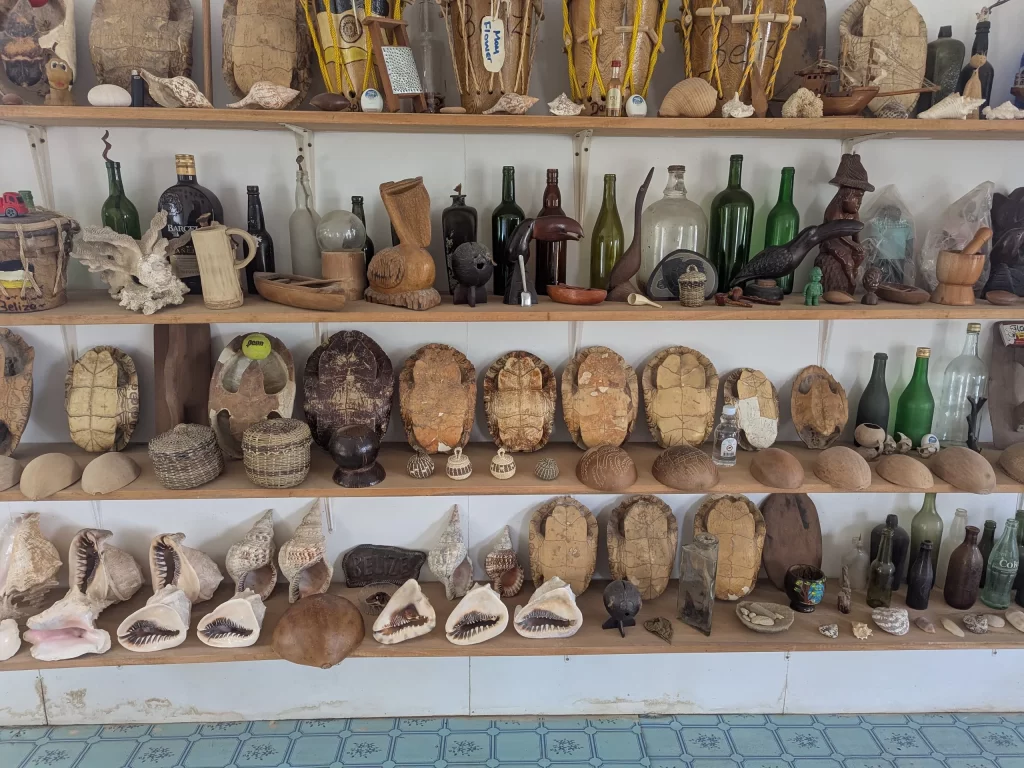
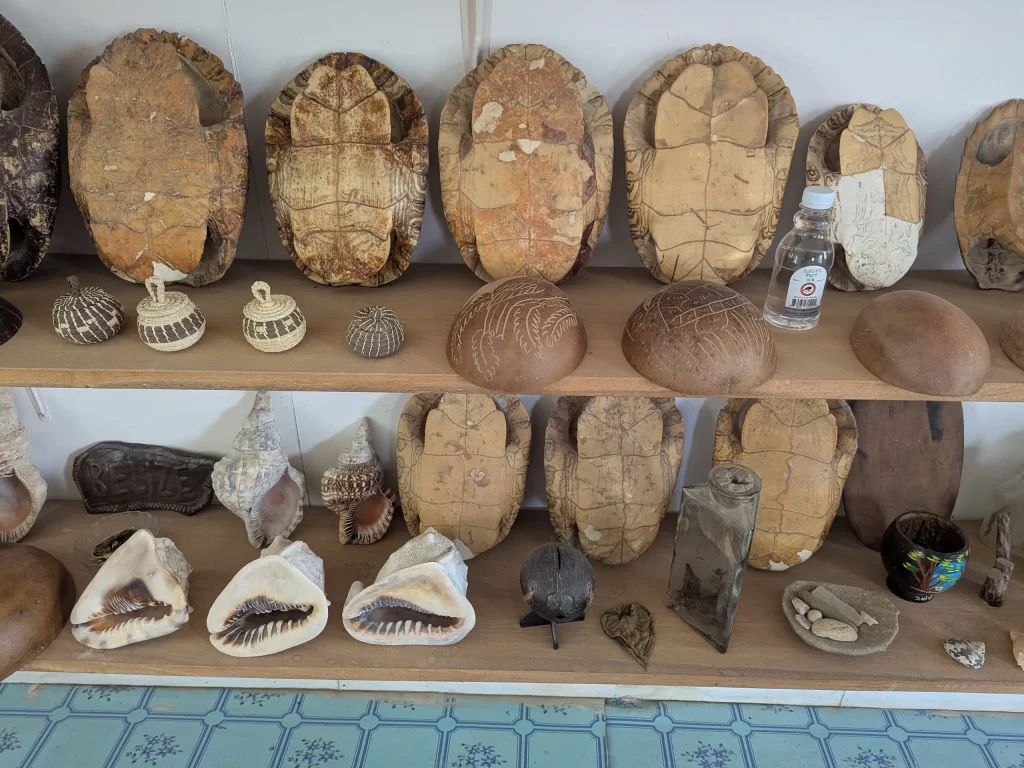

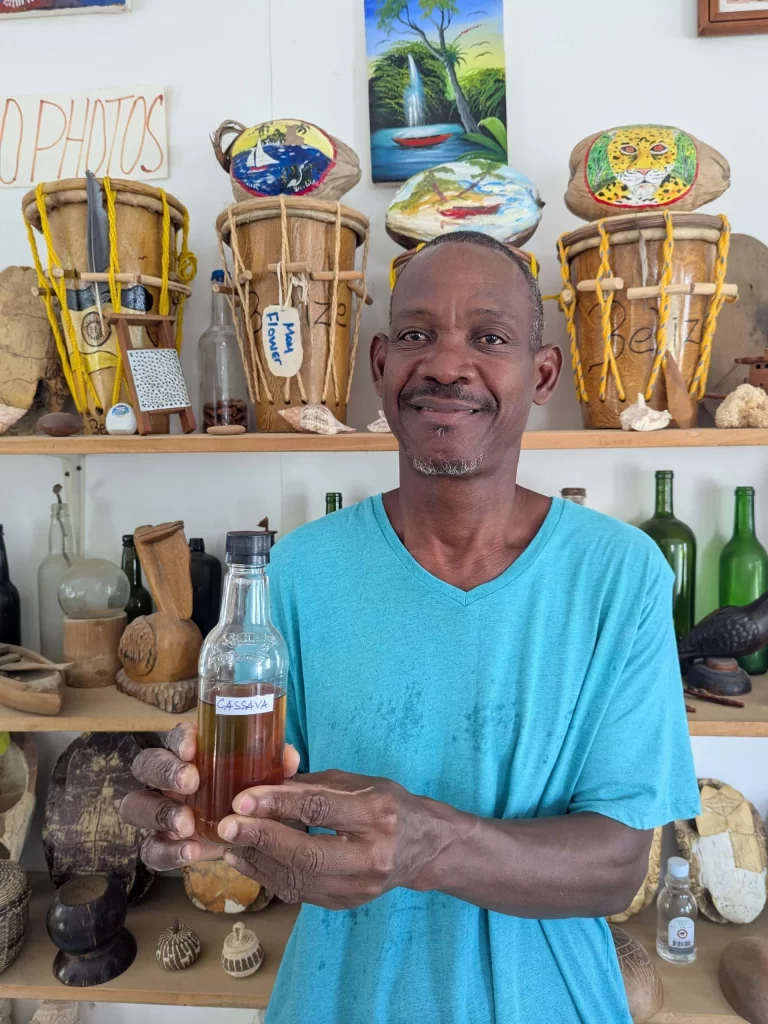
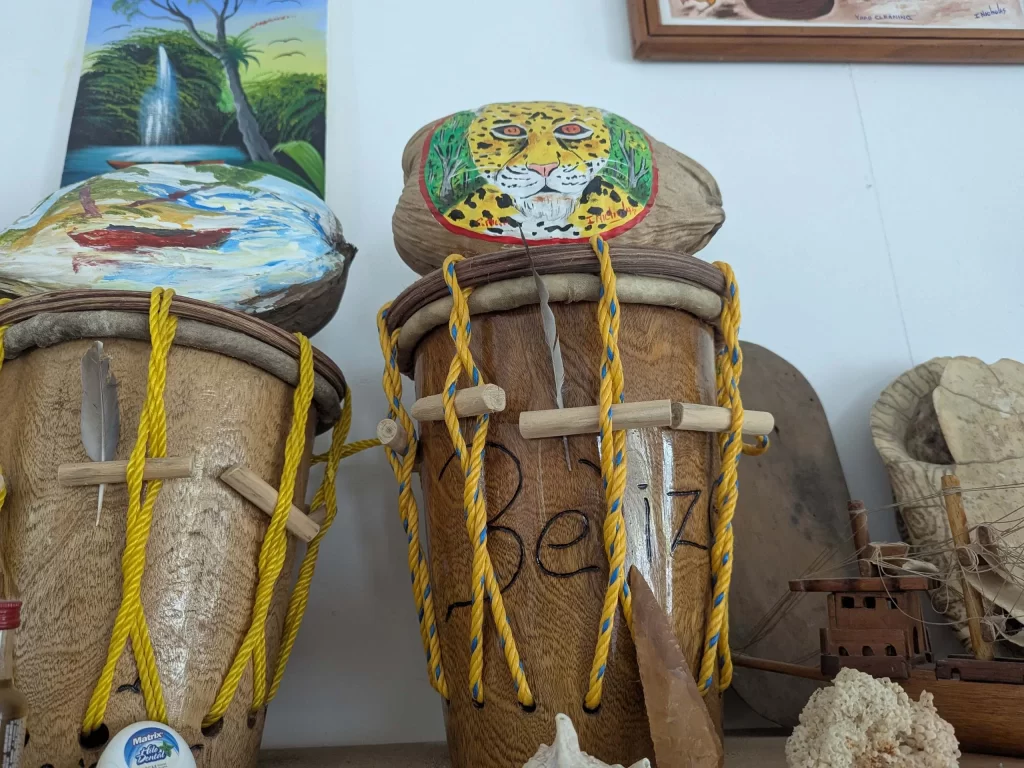
The museum and gift shop was curious. There was some artwork from local artists, authentic Garifuna drums and many items that had me imagining a midnight raid by the WWF, confiscating contraband that is at best, illegal in most countries and at worst, contributing to the continued endangerment of protected species. And then there was the wine.
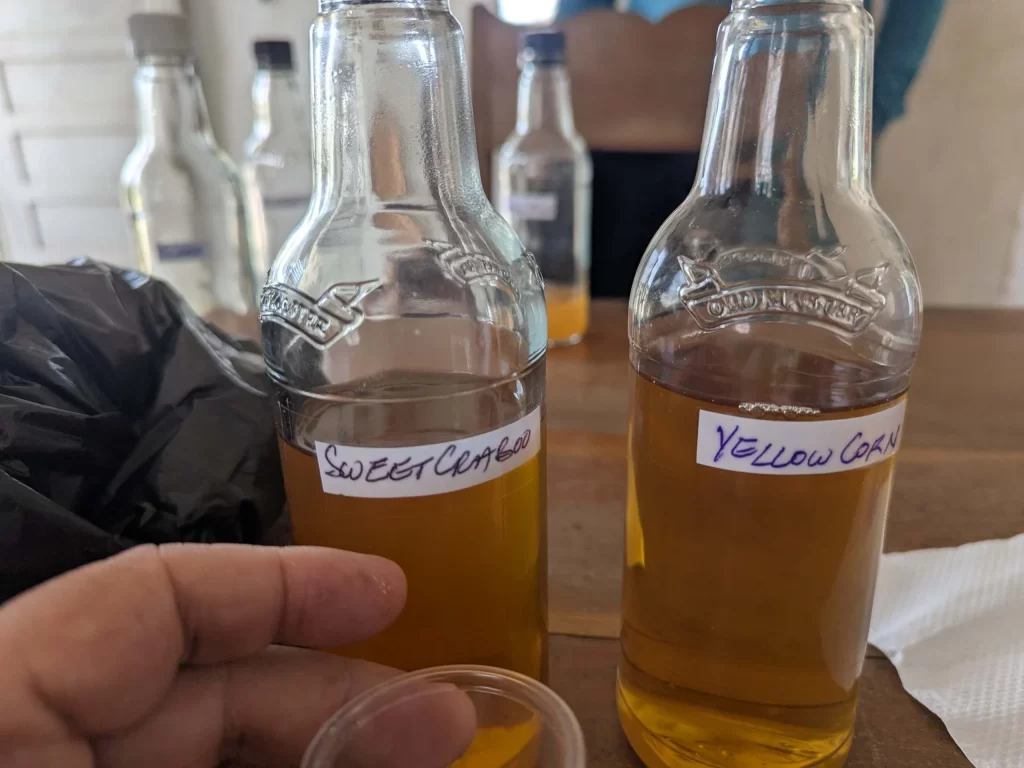
Naively, I had expected some type of fermented grape juice. There wasn’t a grape in sight. Instead, the proud vintner allowed me to taste nine different types of fermented fruit and grains. The selection included:
- Brown rice
- Brown rice with corn
- White corn
- Mango
- Cassava
- Barrutto (I have no idea what that is)
- Ginger and spices
- Sweet Craboo (another one that will remain a mystery to my dying day)
Some were drinkable, tasting a little like sacramental shabbat wine. Others tasted like methylated spirits or banned medicines. The least offensive was the cassava wine, which was the most similar to Manischewitz of the lot. The winemaker was so proud of his wine that I felt obliged to shell out $5 to buy a small bottle of his witch’s brew. If the WWF ever do raid him, let’s hope they confiscate his hooch as well.
The winemaker pointed me in the direction of the municipal market which I thought might be worth a look. This might be the case, but the vendors obviously thought that today was Sunday, as not a single stall was open. Not quite three hours after leaving Susan I was back in the airconditioned room and was content to relax for the rest of the day.

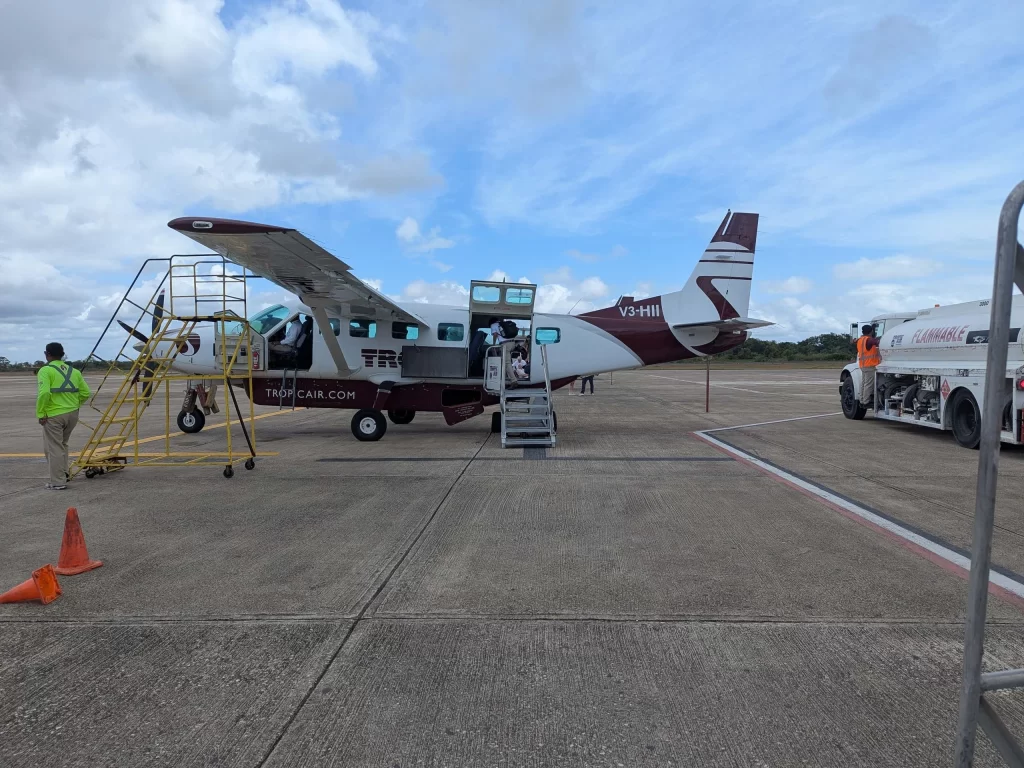
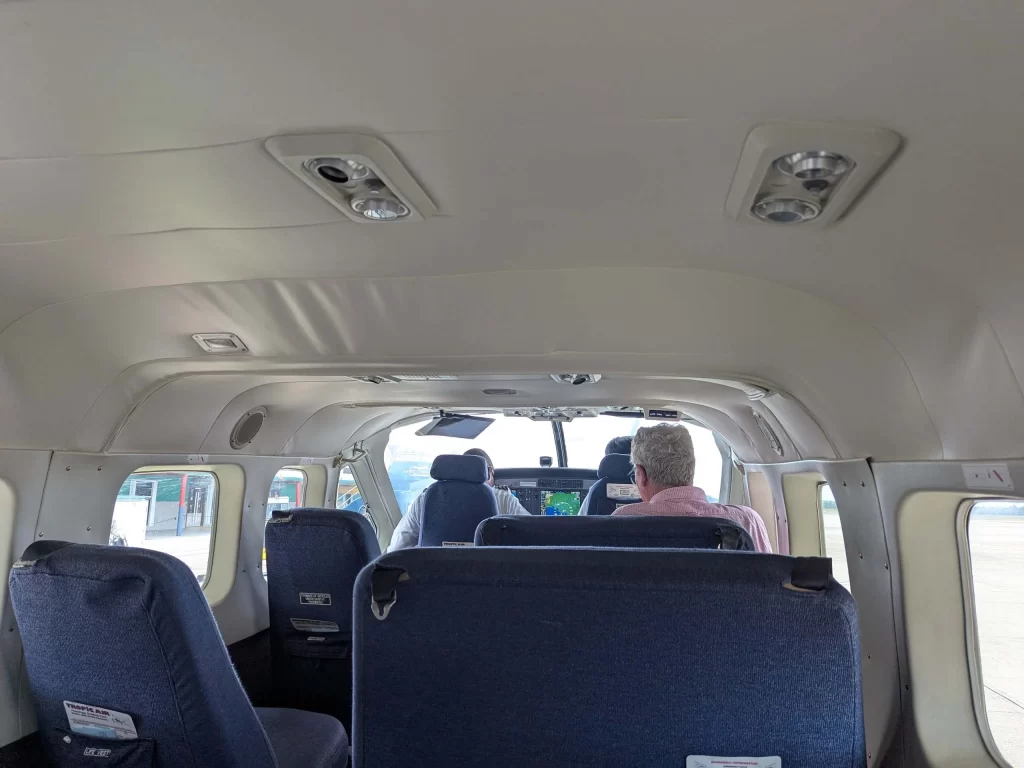
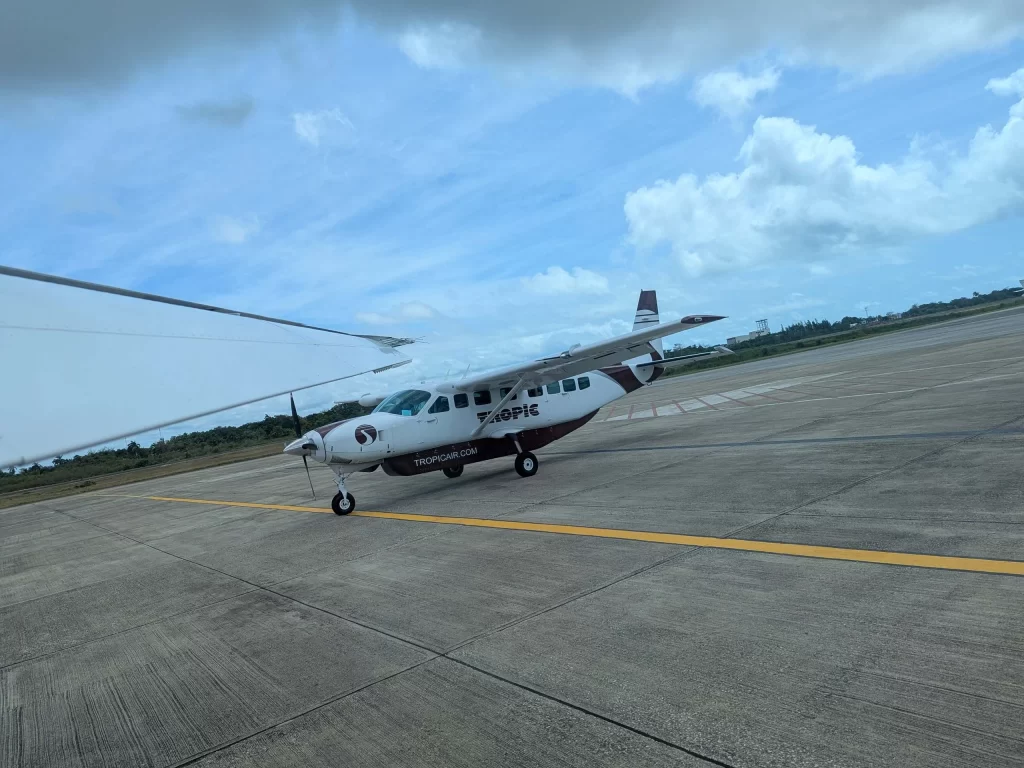
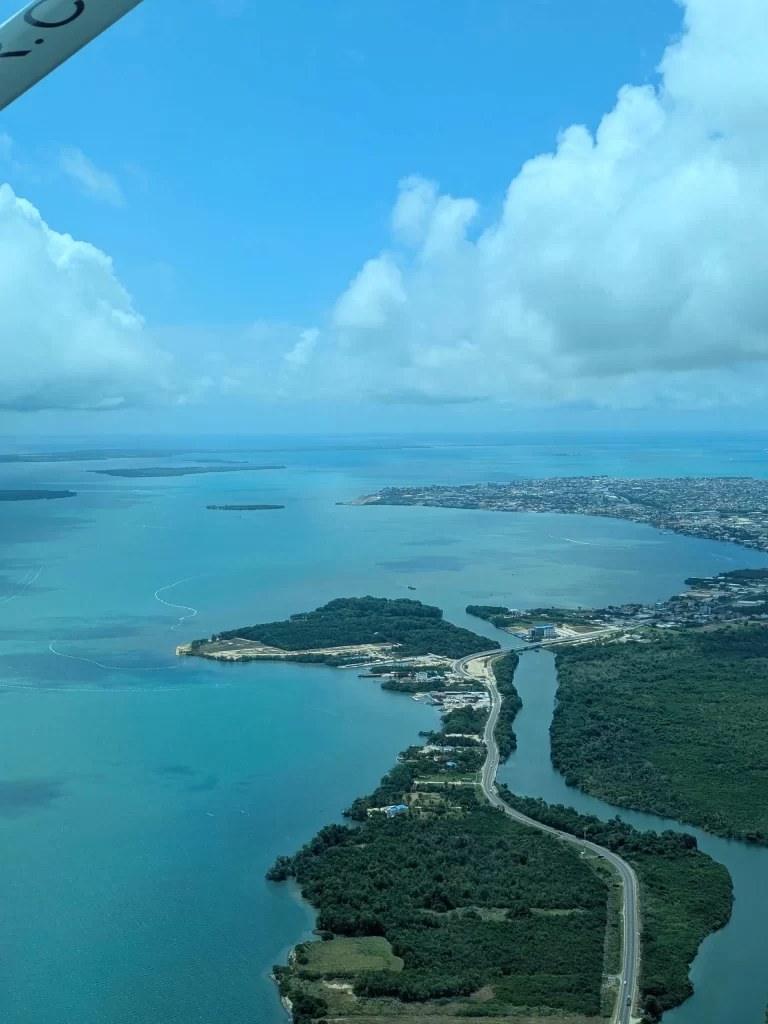
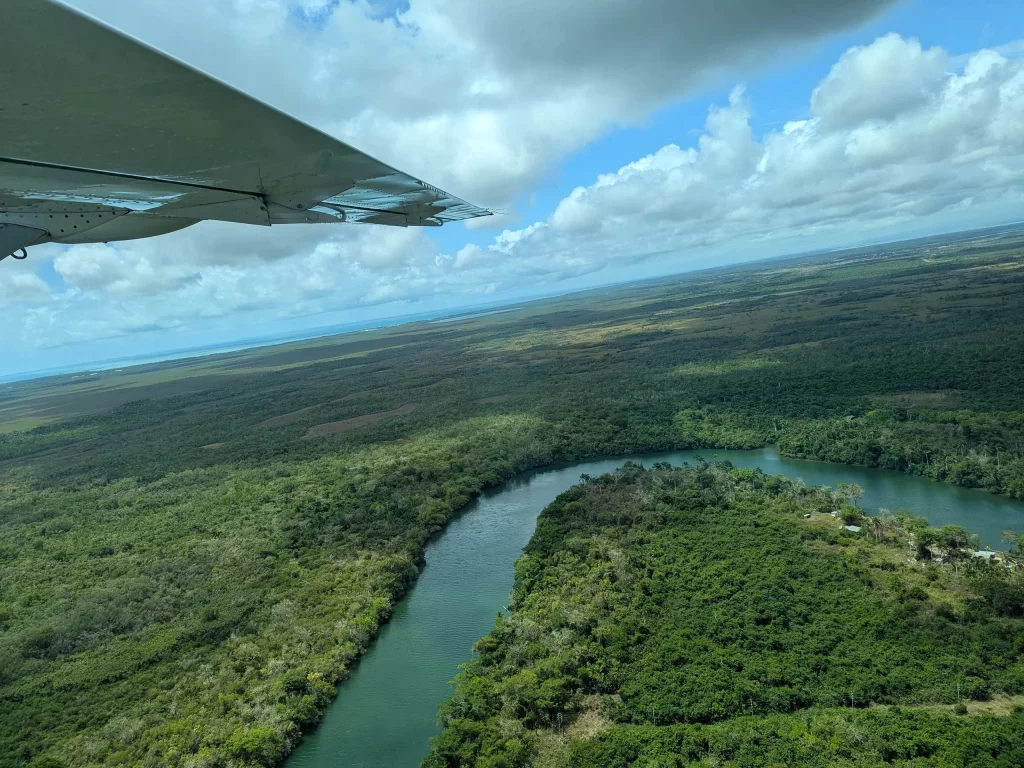
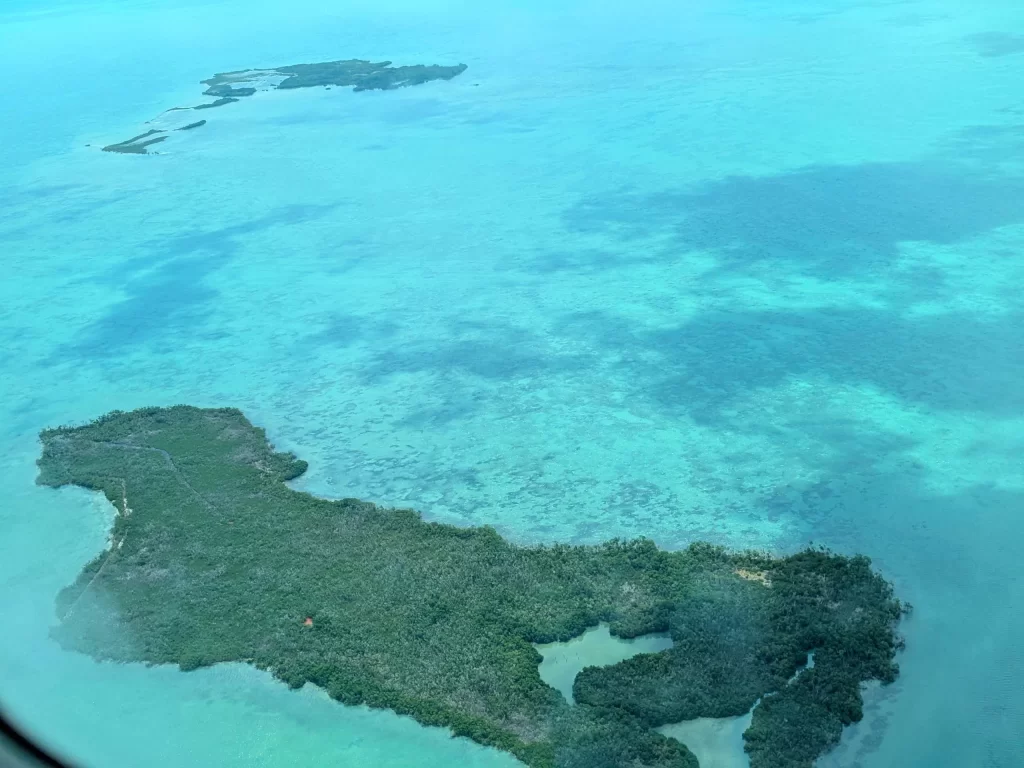
The next morning our transfer to the airport, which was about two hours away, was waiting at our hotel five minutes before the agreed upon time. We arrived ahead of time and check-in was uneventful. And there was something just right that our flight, Tropic Air 6610 to Cancun, as the stepping stone to Guadalajara and the wedding, was on a Cessna 8 seater propeller plane. The perfect way to finish a perfect holiday in Belize.